/
/
Key Trends Shaping Fulfillment, Warehousing, and Returns Management Toward 2026
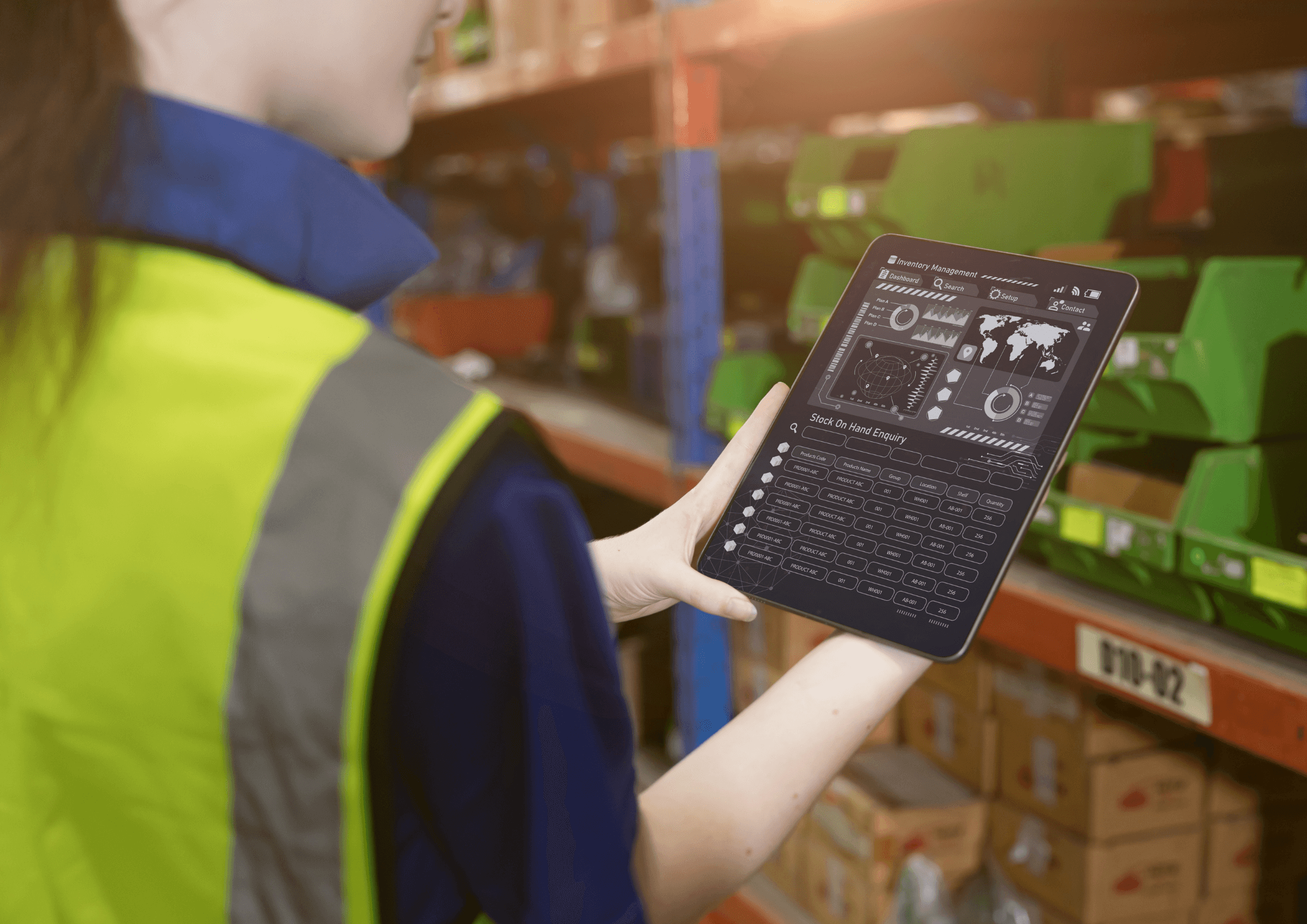
Key Trends Shaping Fulfillment, Warehousing, and Returns Management Toward 2026
The past few years in logistics and fulfillment have represented far more than incremental improvement. Today, the challenge is no longer about making processes slightly faster or reducing costs by a few percentage points. As we approach 2026, brands are facing a more fundamental question:
Is our current operational structure truly capable of supporting the next wave of growth?
Customer expectations, sales channels, and operational pressures are evolving simultaneously. As a result, fulfillment, warehousing, and returns management are no longer confined to operations teams—they now sit at the very center of growth strategy.
This article explores the key trends shaping fulfillment operations as brands prepare for 2026, and what these shifts mean in practice.
Fulfillment Is No Longer About Shipping Orders — It’s About Managing Experience
In the past, fulfillment success was measured by whether an order left the warehouse on time. Today, fulfillment has become one of the most critical touchpoints in the customer journey. Delivery speed, packaging quality, order accuracy, and a frictionless returns process all directly influence brand perception.
The trend heading into 2026 is clear: fulfillment operations must be not only faster, but also more consistent and predictable. Promising same-day or next-day delivery matters—but keeping that promise every single day matters even more. This requires fulfillment systems that operate systematically rather than reactively.
Warehousing Is Shifting From Single Locations to Distributed Networks
One of the most significant transformations in warehousing is the move away from single, centralized facilities toward multi-location networks. This shift is driven not only by delivery speed, but also by risk management, flexibility, and cost control.
As brands approach 2026, warehouses are no longer viewed as static inventory pools. Instead, they function as strategically positioned nodes aligned with demand. This structure reduces dependency on a single location and supports increasingly diversified sales channels.
At the core of this trend lies a simple realization:
The closer inventory is to the customer, the more resilient the operation becomes.
Returns Management Is Becoming a Strategic Capability

For years, returns were treated as an unavoidable but undesirable byproduct of e-commerce. Looking ahead to 2026, returns management is emerging as a strategic pillar equal to fulfillment and warehousing.
With return rates continuing to rise, successful brands are no longer trying only to reduce returns—they are focused on managing them more intelligently. Fast inspection, efficient sorting, and rapid reintegration of returnable products into inventory reduce costs and improve cash flow.
Returns are no longer an exception to the operation; they are a core part of it.
From Fixed Operations to Flexible, Scalable Models
One of the clearest trends shaping 2026 is the shift from fixed-cost operational models to flexible and scalable structures. Warehouse space, labor, and operational capacity are increasingly planned based on demand rather than worst-case scenarios.
This flexibility delivers two major advantages. First, it prevents bottlenecks during growth periods. Second, it reduces unnecessary cost burdens during slower cycles. Flexibility is no longer optional—it is a prerequisite for staying competitive.
Fulfillment and Warehousing Decisions Are Made Earlier

Traditionally, brands revisited fulfillment and warehousing only after problems surfaced. Today, these decisions are being made much earlier. Market expansions, product launches, and campaign planning are increasingly evaluated alongside operational capacity.
This shift brings operations teams into strategic decision-making and positions fulfillment as a growth enabler rather than a reactive function.
Building Infrastructure That Can Carry the Trend
ParkPalet approaches these changes not as isolated trends, but as signals of a broader transformation. Multi-location warehousing, integrated fulfillment, and returns management are designed as parts of a single operational ecosystem—not standalone solutions.
This allows brands to plan not only for today’s needs, but also for the operational demands of 2026 and beyond.
2026 Will Be the Year of Operational Maturity

As brands move toward 2026, differentiation will not come from who ships the fastest—but from who builds the most resilient operations. Fulfillment, warehousing, and returns management are no longer background functions. They are strategic drivers of sustainable growth.
Brands that recognize this shift early will gain a lasting competitive advantage.
Build the infrastructure that can carry the trend—rather than chasing it.
Benzer Yazılar
Genel

Amazon FBA Nedir? Nasıl Çalışır?
Devamını Oku
Genel
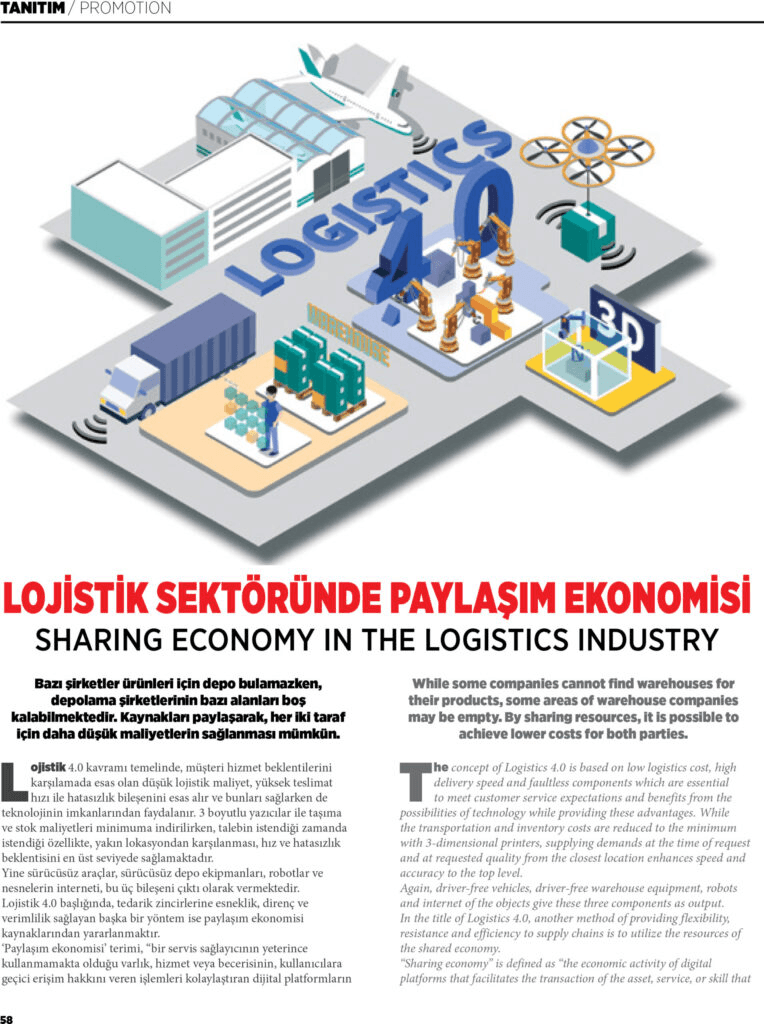
Lojistik Sektöründe Paylaşım Ekonomisi
Devamını Oku
Genel

Profesyonel Paketleme İpuçları: E-ticarette Başarı
Devamını Oku
Genel

Küçük İşletmeler için Ölçeklenebilir Lojistik: Satışlarınız Arttıkça Deponuz Size Ayak Uydurabiliyor mu?
Devamını Oku
Genel

Pazar Yeri İade Politikalarıyla Baş Çıkma Rehberi: Trendyol, Hepsiburada ve Amazon
Devamını Oku
Genel

Mikro-Fulfillment ve Şehir İçi Depolama: “Aynı Gün Teslimat” Artık Lüks Değil İhtiyaç
Devamını Oku
Genel

İade Gelen Ürünler Çöp Olmasın: Kalite Kontrol ve Yeniden Satış Stratejileri
Devamını Oku
Genel
Fulfillment, Depolama ve İade Yönetiminde Öne Çıkan Trendler
Devamını Oku
Genel

Fulfillment Operasyonları Büyüdükçe Neden Karmaşıklaşır?
Devamını Oku
Genel

Depo ve Sevkiyat Operasyonları Nasıl Planlanmalı?
Devamını Oku
Genel
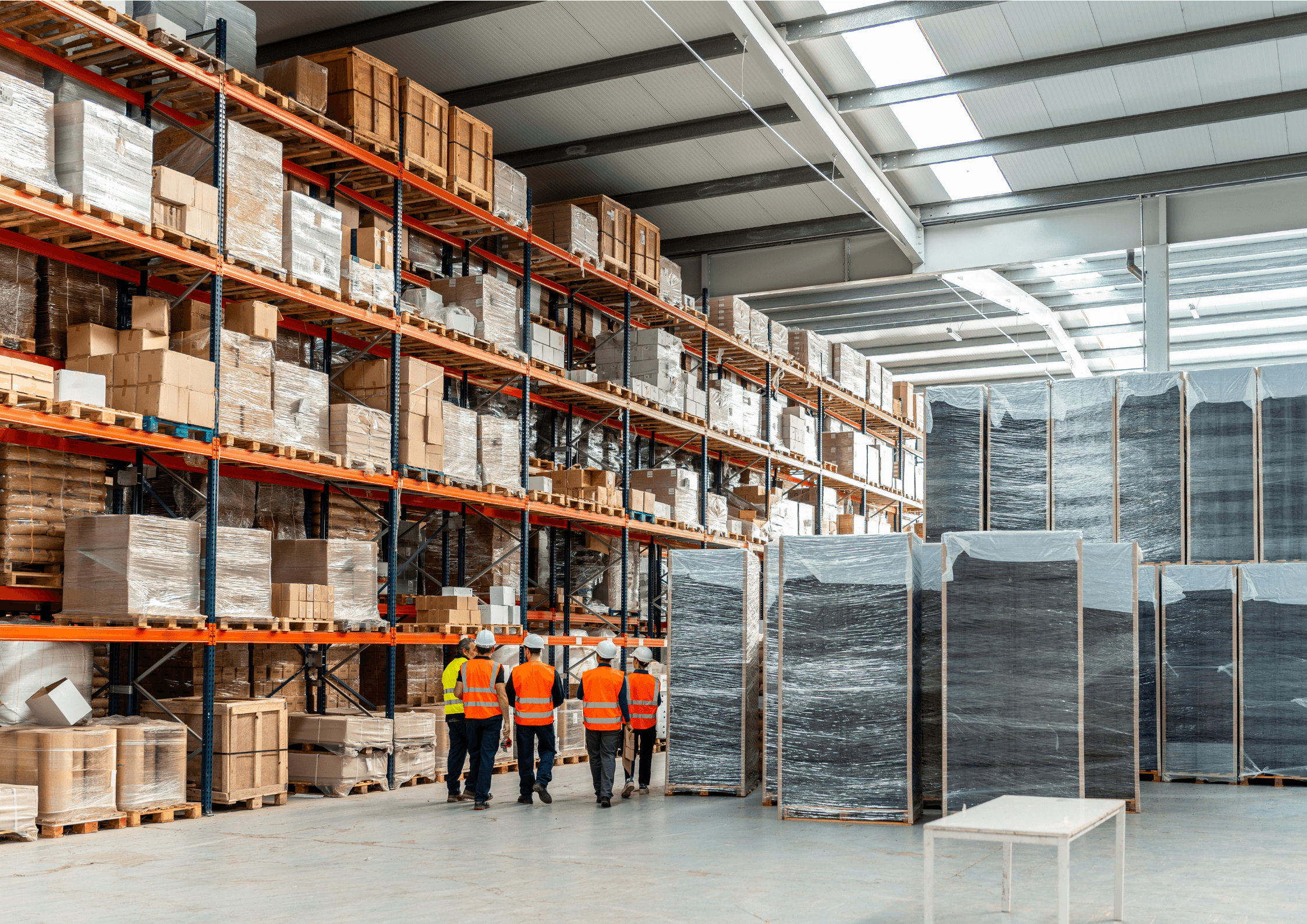
Depo Yönetiminde Hangi Operasyonel Model İşinizi Taşır?
Devamını Oku
Genel

E-Ticarette Depolama Maliyetleri Neden Artıyor?
Devamını Oku
Genel

E-ticarette terk edilen alışveriş sepeti, aslında bir lojistik problemidir!
Devamını Oku
Genel
E-Ticaret Lojistiğinde İadelerin Yönetimi
Devamını Oku
Genel

Fulfillment Ne Demek? Ne İşe Yarar?
Devamını Oku
Genel

Depolarda Depremin, Depremde Depoların Önemi
Devamını Oku
Genel

Türkiye’nin Lojistik Haritasında İlk Durak İzmir
Devamını Oku
Genel

Depolarda Soğuk Zincir Yönetimi
Devamını Oku
Genel

Depo Teklif Ekranı Yenilendi
Devamını Oku
Genel

Tersine Lojistik ve Bölgesel Depolama Çözümleri
Devamını Oku
Genel

ParkPalet Beta Pitch Global ‘de Ülkemiz Adına Yarışacak
Devamını Oku
Genel

Park Palet Lojistik Maliyetini Azaltıyor
Devamını Oku
Genel

Depo Yönetimi: Neden Depolarız?
Devamını Oku
Genel

Depo Operasyonlarında Robotların Yeri
Devamını Oku
Genel

2017 Perakende Trendlerinde ‘Talep Üzerine Depo Modeli’
Devamını Oku
Genel
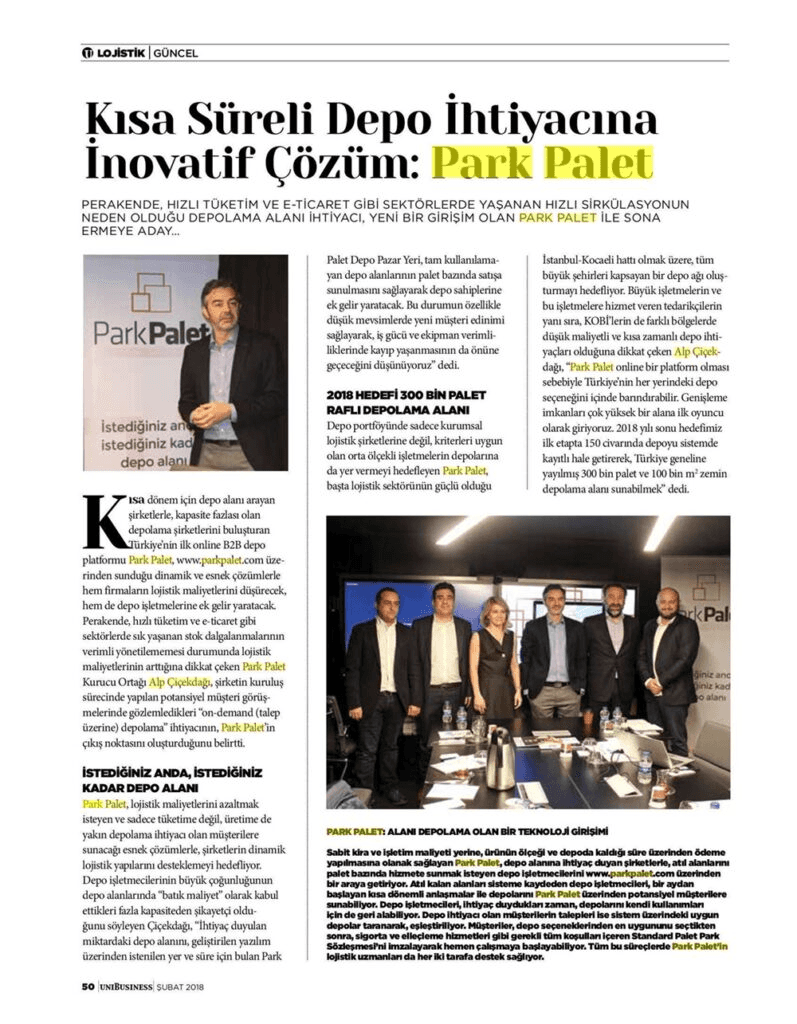
Kısa Süreli Depo İhtiyacına İnovatif Çözüm
Devamını Oku
Genel

Blockchain Teknolojileri Lojistiği Nasıl Etkileyecek?
Devamını Oku
Genel

E-Ticaret Perakendecileri için Aktif Depolama Stratejisi
Devamını Oku
Genel
Talebe Dayalı Depolama Çözümleri (On Demand Warehousing Solutions)
Devamını Oku

Expressversand vs. Standardversand: Wann lohnt es sich?
Devamını Oku

Amazon FBA Denizyolu Gönderimi: Adım Adım Kılavuz 2026
Devamını Oku

Nachhaltiger Etsy-Versand 2026: Öko-Trend | ParkPalet
Devamını Oku

Etsy-Versandkosten sparen: 10 Tricks für Shops | ParkPalet
Devamını Oku

Etsy-Fulfillment für Einsteiger: Leitfaden 2026 | ParkPalet
Devamını Oku

Etsy-Versandprobleme: Häufige Fragen & Lösungen | ParkPalet
Devamını Oku

Etsy Lagerlösungen 2026: Die richtige Option | ParkPalet
Devamını Oku
Etsy Fulfillment Services: Definition und Nutzen | ParkPalet
Devamını Oku
Fulfillment-Center in Etsy-Shop integrieren | ParkPalet
Devamını Oku

Fulfillment Merkezinin E-Ticarete 10 Avantajı | ParkPalet
Devamını Oku
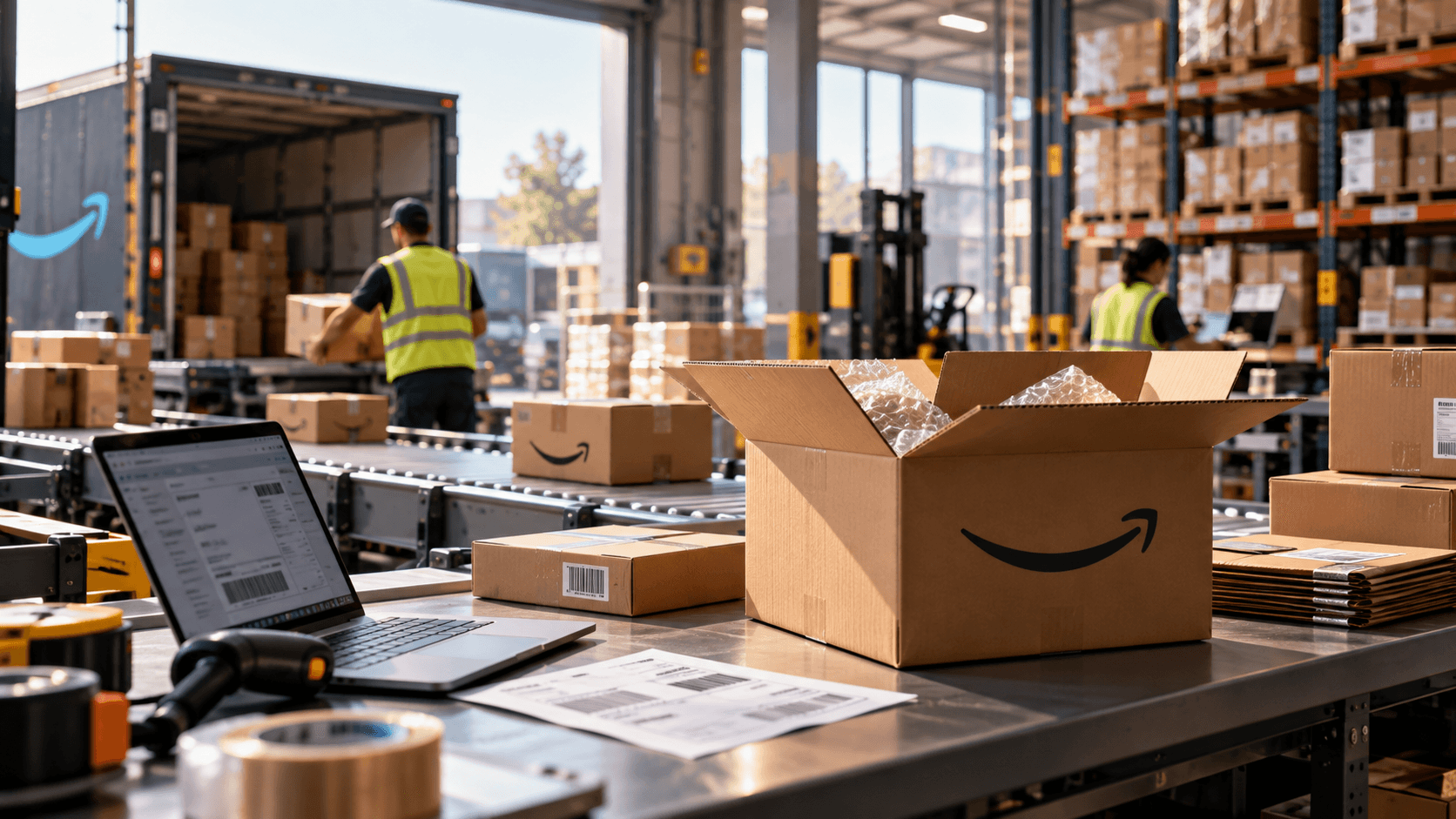
Amazon Depo Hazırlığı Nasıl Yapılır? | ParkPalet Rehberi
Devamını Oku

E-ticarette Aynı Gün Teslimat Nasıl Uygulanır? | ParkPalet
Devamını Oku

Fulfillment Hizmeti Ne Kazandırır? | ParkPalet Blog
Devamını Oku
Genel

ParkPalet Finale Gidiyor
Devamını Oku
Genel

Küçük İşletmeler İçin Uygun Fulfillment 2026
Devamını Oku
Genel

Amazon Denizyolu Taşımacılığı: Maliyet ve Belgeler 2026
Devamını Oku
Genel
Mikro-Fulfillment ve Şehir İçi Depolama: “Aynı Gün Teslimat” Artık Lüks Değil İhtiyaç
Devamını Oku
Genel
Küçük İşletmeler için Ölçeklenebilir Lojistik: Satışlarınız Arttıkça Deponuz Size Ayak Uydurabiliyor mu?
Devamını Oku
Genel
Pazar Yeri İade Politikalarıyla Baş Çıkma Rehberi: Trendyol, Hepsiburada ve Amazon
Devamını Oku
Genel
İade Gelen Ürünler Çöp Olmasın: Kalite Kontrol ve Yeniden Satış Stratejileri
Devamını Oku
Genel
Depo Operasyonu Neden Satış Ekibinin En Büyük Destekçisi Olmalı?
Devamını Oku
Genel

Depolama Kaynaklı Gizli Maliyetler Nelerdir?
Devamını Oku
Genel
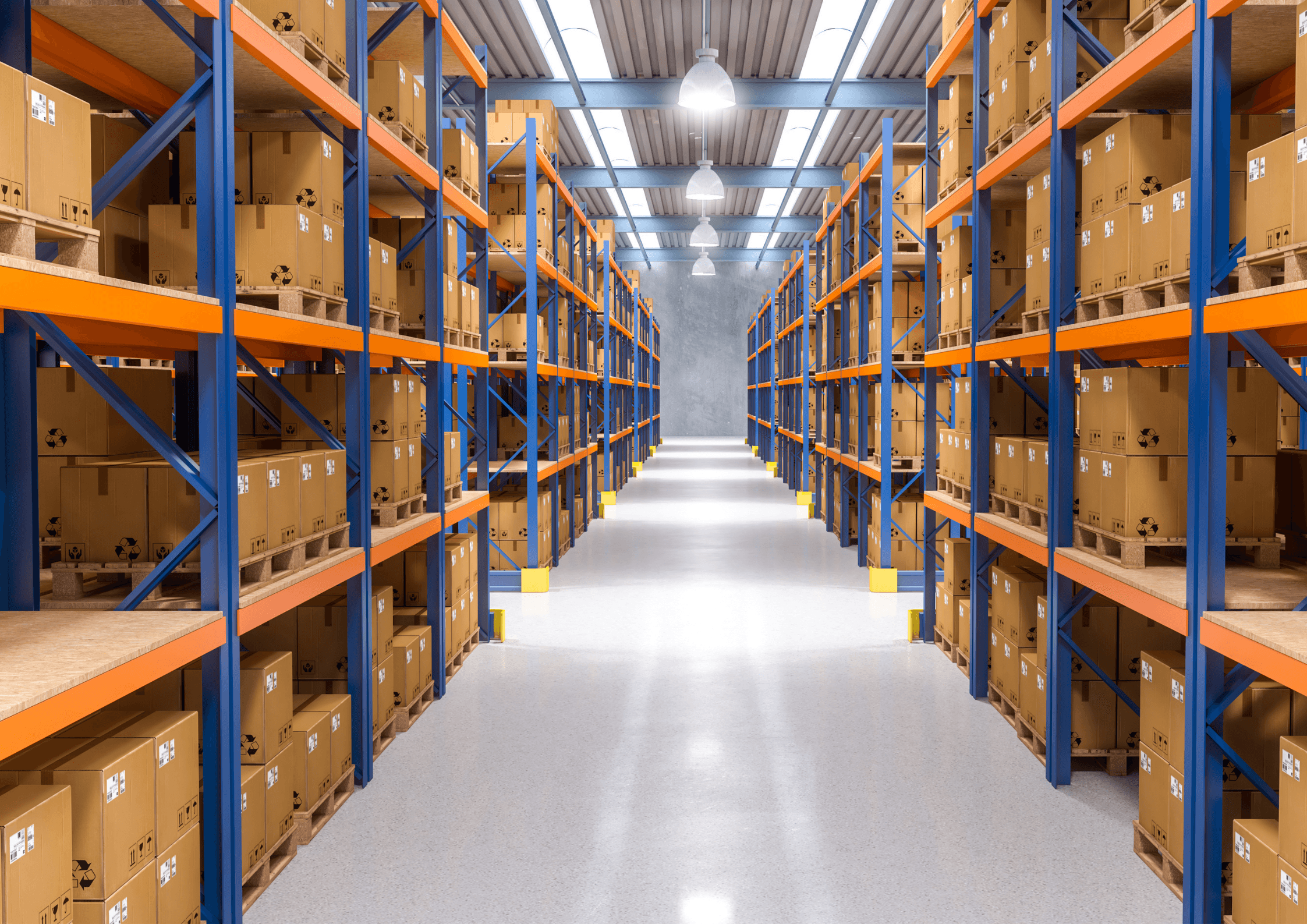
Çok Lokasyonlu Depolama Nedir?
Devamını Oku
Genel

Depo Operasyonları Nasıl Kurgulanmalı?
Devamını Oku
Genel

Fulfillment Operasyonunda Dış Kaynak Kullanımı Nedir?
Devamını Oku
Genel

E-Ticaret Lojistiğinde Ürünlerin Stoklanması
Devamını Oku
Genel

QNBEYOND Hızlandırma Programı’nın yeni dönem girişimleri belli oldu
Devamını Oku
Genel

Corona Virüsü Salgını ve Lojistik Depolama Piyasasına Etkileri
Devamını Oku
Genel

Türkiye’nin Lojistik Haritasında 2. Durak Ankara
Devamını Oku
Genel
Yol Ayrımında Geleneksel Depolar ve E-Ticaret Depolama Çözümleri
Devamını Oku
Genel
Depolarda Katma Değerli Hizmetler
Devamını Oku
Genel

E-Ticaret Lojistiği ve Dinamik Depolama Stratejileri
Devamını Oku
Genel
ParkPalet Beta Pitch Global ‘de Ülkemiz Adına Yarışacak
Devamını Oku
Genel

Depolamanın Yeni Adresi ParkPalet
Devamını Oku
Genel

Teknoloji, Tedarik Zinicirini Nasıl Değiştiriyor?
Devamını Oku
Genel

Lojistik Sektöründe Paylaşım Ekonomisi
Devamını Oku
Genel

Blok Zinciri Teknolojisinin Tedarik Zincirine Etkileri
Devamını Oku
Genel

Kısa Dönemli Depolama Çözümleri İçin İlk Online Platform
Devamını Oku
Genel

Depolama Hizmetlerinin 3PL’e ( Lojistik Hizmet Sağlayıcısı) Devredilmesi
Devamını Oku
Genel

Neden ‘Talep Üzerine’ (On-demand) Depo Sistemi?
Devamını Oku
Genel
Talep Üzerine (On-Demand) Ne Demek?
Devamını Oku
Genel

Perakende Markaları için Esnek Depolama Çözümleri
Devamını Oku

Was ist Same-Day-Fulfillment? Definition & Umsetzung
Devamını Oku
Mikro İhracat Nedir? 2026 Küçük İşletme Rehberi
Devamını Oku
Etsy-Versandprofil einrichten: Neue Shops | ParkPalet
Devamını Oku

E-ticaret İade Yönetimi: 7 Etkili Strateji | ParkPalet
Devamını Oku

Etsy-Versandoptionen erklärt: Standard & Express | ParkPalet
Devamını Oku

Etsy-Retourenmanagement effizient abwickeln | ParkPalet
Devamını Oku

Internationaler Etsy-Versand 2026: 5 Top-Anbieter ParkPalet
Devamını Oku

Verpackungsmaterialien für Etsy-Versand: 9 Tipps | ParkPalet
Devamını Oku
Etsy Lagerverwaltung 2026: 8 Tools für effizienten Bestand
Devamını Oku

Yurt Dışı Fulfillment Hizmeti: Doğru Ülke Seçimi | ParkPalet
Devamını Oku

Ekspress Kargo mu Freight mi? Doğru Seçim | ParkPalet
Devamını Oku

Amazon Satıcıları İçin Stok Yönetimi Rehberi | ParkPalet
Devamını Oku