Summarize this text with AI
Select your preferred tool to create a short summary of the text.
The Role of Robots in Warehouse Operations
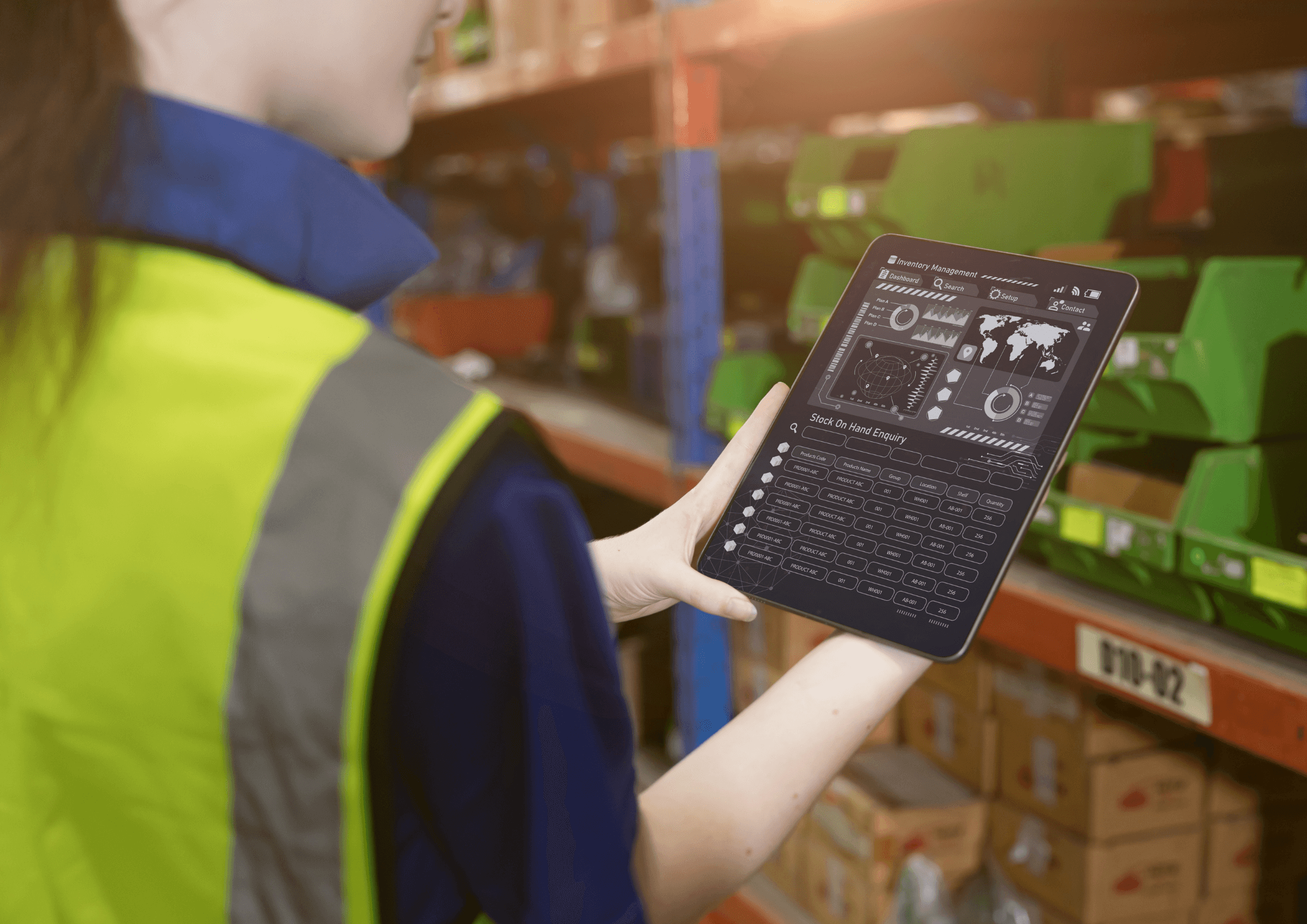
As e-commerce retailers race to deliver purchased goods to consumers faster, they are rapidly improving the automation in their warehouses.
The smoother and faster the journey between customers clicking the online 'buy' button and the products they purchase arriving at their doorstep, the faster the retailer's profit will be realized. One way to achieve this is by speeding up the picking and packing of goods in warehouses.
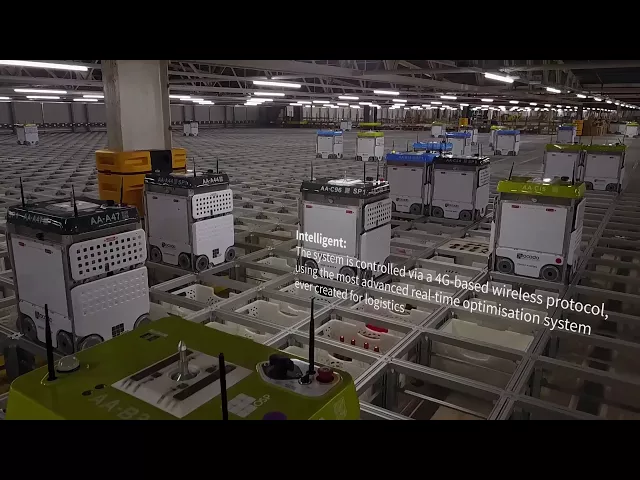
For a glimpse into the future of warehouse operations, one needs only to look at Ocado's facilities near the city of Andover in southern England. Hundreds of cuboid units, with antennas on top and flashing lights, decelerate and accelerate with mechanical elegance without colliding. These robots perform the mundane task of picking products in the grocery store. With this system, called 'Ocado Smart Platform', robots bring clusters of shelves to warehouse workers so they can select the right products, pack, and ship them. Thus, they greatly accelerate the picking of products by workers inside the warehouse. In this system, also referred to as 'swarm robotics' technology, multiple robots communicate with each other to complete a common task. In this way, more than 50 ordered products can be collected in just a few minutes.
Warehouse automation is possible with ultrasonic and visual sensors used to guide robots, along with the spread of sensor technology. The system described above or systems like KIVA, which Amazon acquired in 2012, apply a simple method in environmental sensing. The robots follow a series of predefined paths using path markers from decals on the floor. Since humans are excluded from this part of the warehouse, there is less risk of injury. Other systems, like automated car parking, use ultrasonic sensors.
An important sensor technology for indoor use is LiDAR, which is a combination of light and radar. These sensors use reflections from laser beams to create a three-dimensional image of an object and can be used to navigate and avoid obstacles.
Although some do not believe that warehouse automation will grow due to investment costs and the rapidly changing nature of the market, given the stage e-commerce has reached, companies are starting to realize the need to automate, and we will see an acceleration of new technology applications in the coming years.