
Active Warehousing Strategy for E-Commerce Retailers
This is just a short description for your post which you can edit depending on your needs via the Framer CMS.

The First Online Platform for Short-Term Storage Solutions
This is just a short description for your post which you can edit depending on your needs via the Framer CMS.

Warehouse Management: Why Do We Store?
Warehouse management is the art of operating the warehouse and shipment system effectively and efficiently. Warehouses and material handling systems are fundamental elements in the flow of goods, establishing and organizing the connection between the sender and the recipient. Efficient warehouse management requires detailed knowledge of the necessary processes, as well as advanced technical expertise involving the successful technical and operational implementation of the entire system. However, there are no universally applicable rules to achieve this goal. There are many other factors involved, such as requirements arising from the customer's order structure, differences in products and services, production requirements, and so on.

ParkPalet Beta Will Represent Our Country at Pitch Global
ParkPalet has earned the right to represent our country at Beta Pitch Global 2018, considered one of the world's most prestigious start-up competitions. The final of the competition, organized simultaneously in 12 countries by Germany-based Beta Haus, a global co-working space provider, will be held in Berlin on November 15.
ParkPalet Will Compete on Behalf of Our Country at Beta Pitch Global
ParkPalet has earned the right to represent our country at Beta Pitch Global 2018, considered one of the world's most prestigious startup competitions. Organized concurrently across 12 countries by Germany-based Beta Haus, a global co-working space provider, the competition's final will take place in Berlin on November 15th.

How Is Technology Changing the Supply Chain?
For years, the supply chain was considered a business area with limited strategic value. However, today's business world is undergoing an extraordinary transformation, and the success of companies within this change entirely depends on having a supply chain that is modernized and integrated with other business areas. It is no exaggeration to say that the supply chain holds the most critical position within a business.

ParkPalet is Going to the Finals
ParkPalet, a technology startup introducing a new and distinct approach to the logistics sector, became one of the top five projects in the Middle East and Africa regional leg of the international Create@Alibaba Cloud Start-Up Competition organized by Alibaba Cloud, qualifying to participate in the finals to be held in China.

The Impacts of Blockchain Technology on the Supply Chain
Blockchain, a network of open and globally distributed ledgers, promises to facilitate and verify agreements occurring between organizations and their customers, partners, and suppliers. On the other hand, blockchain's value proposition is to eliminate intermediaries in transactions and enable them to be more autonomous.

The Role of Robots in Warehouse Operations
As e-commerce retailers race to deliver purchased goods to consumers faster, they are rapidly improving the automation in their warehouses.

E-Commerce Logistics and Dynamic Warehousing Strategies
Although e-commerce is the greatest disruptive force of the 21st century redefining supply chain structures, the high and uncertain demand variability compels companies to transition from long-term logistics network planning with fixed investments to dynamic planning and execution.

Reverse Logistics and Regional Warehousing Solutions
Although logistics is often perceived and expressed as the planning and management of forward product flows starting with raw materials and ending with delivery, a reverse logistics channel based on different reasons must also be managed in many sectors. The logistical perspective also states that product life does not end with delivery.

Flexible Storage Solutions for Retail Brands
Over the past 10 years, supply chain optimization and innovation have enhanced retailers' ability to respond to fluctuations in demand, pricing, and customer expectations. Warehousing is the sole exception to this innovation. While every other aspect of the logistics industry is dynamic and responsive, retailers are still limited by five, ten, or even 15-year warehouse leases.

ParkPalet, the New Address of Storage
The New Address of Storage: ParkPalet

Izmir: The First Stop on Turkey's Logistics Map
Alsancak: the largest port in the Aegean Region with an annual capacity of 3,600 ships

Park Palet Reduces Logistics Costs
This is just a short description for your post which you can edit depending on your needs via the Framer CMS.
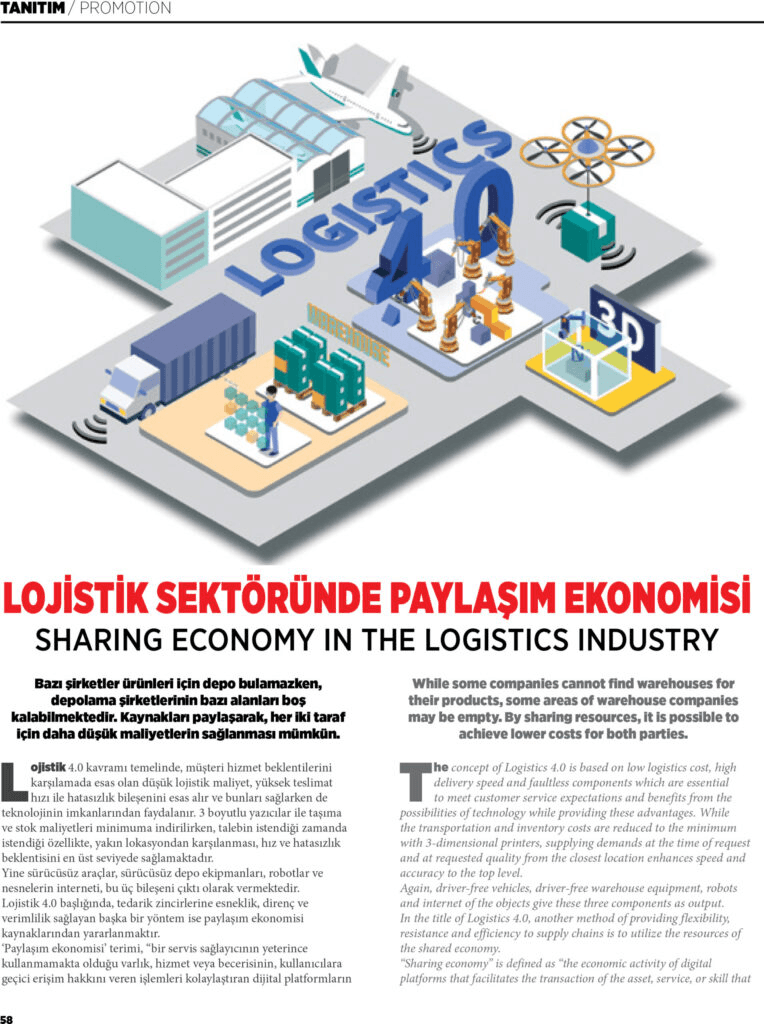
Sharing Economy in the Logistics Sector
Sharing Economy in the Logistics Sector

Sharing Economy in the Logistics Sector
In DHL's May 2017 Trend Report (Sharing Economy Logistics), the term "sharing economy" is defined as "the economic activity of digital platforms that facilitate transactions giving users temporary access rights to a service provider's underutilized assets, services, or skills." In this way, there is no change in the ownership of the transactions. It is also known as the "access" economy. The sharing economy is increasingly permeating all aspects of our daily lives and undoubtedly brings a number of benefits to those who participate in it.

Why 'On-demand' Warehouse System?
On the supply side, for warehouse operators, the on-demand warehouse system is the easiest way to increase revenues – the most enjoyable way to gain direct access to customers without advertising and sales expenses, and to generate income from already existing warehouse spaces.

How Will Blockchain Technologies Affect Logistics?
Digitalization is rapidly changing the supply chain field, as it is in many industries. In order not to miss the opportunities offered by digital technologies in the logistics sector, it is essential for us to join this pace. Blockchain is one of the new technology trends that have the potential to completely change our way of doing business and require us to monitor closely.

The 'On-Demand Warehousing Model' in 2017 Retail Trends
The 2017 US Retail Market Trends Report, prepared by CBRE, addresses the on-demand warehouse model. The following article is excerpted from the report.
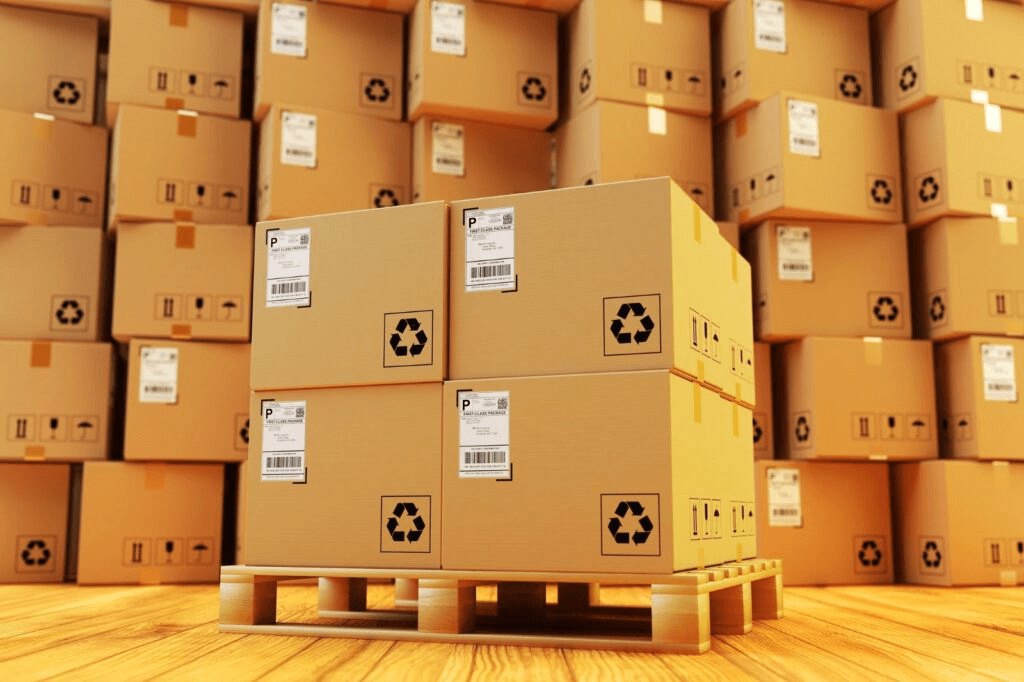
What Does On-Demand Mean?
Recently, the term 'on-demand' has been used in the digital world more as a synonym for technology. Netflix - on-demand movies, Spotify - on-demand music, Uber - on-demand taxis, Airbnb - on-demand accommodation, etc. As Park Palet, our model is 'On-Demand Warehouse Space'. For this reason, we wanted to explain in more detail exactly what the term 'on-demand' means.
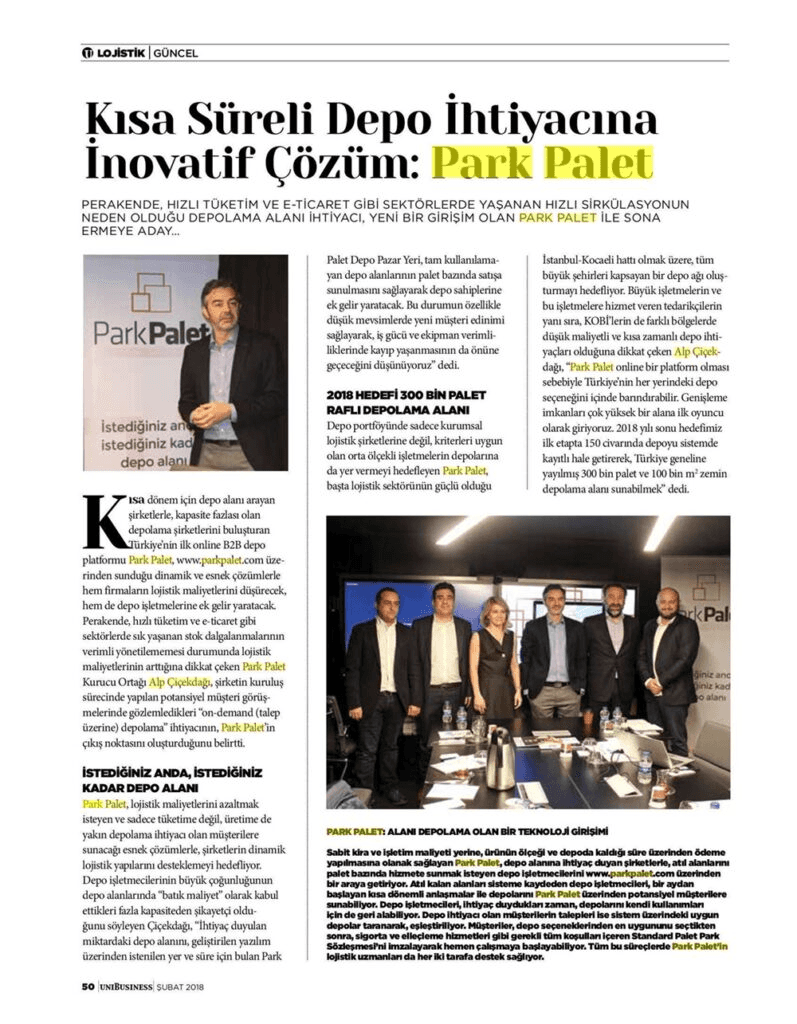
Innovative Solution for Short-Term Warehousing Needs
This is just a short description for your post which you can edit depending on your needs via the Framer CMS.
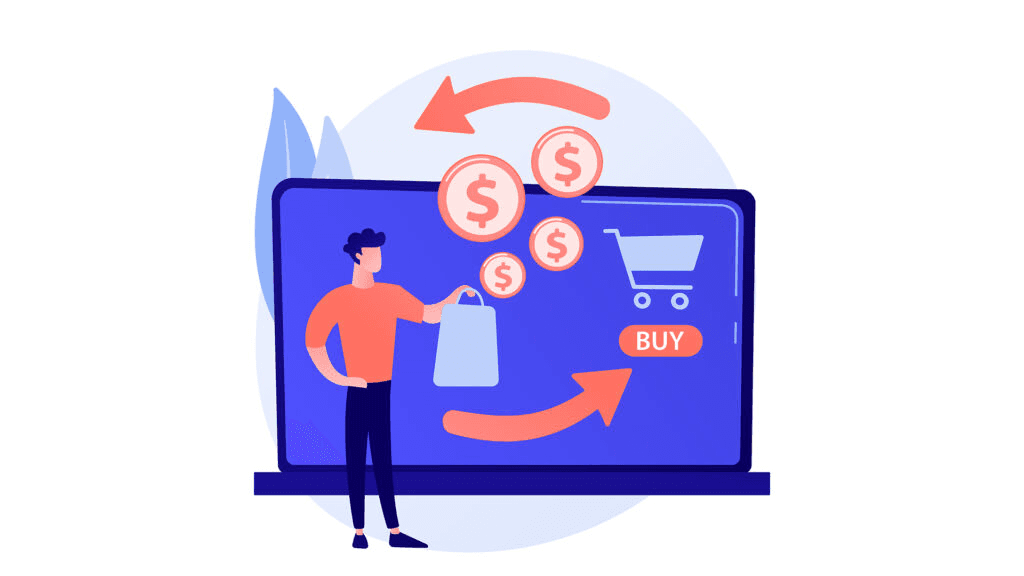
Management of Returns in E-Commerce Logistics
Various reasons, such as the product arriving incorrect or damaged, size and measurement issues, or the product physically not satisfying the customer, lead to a return decision.

Corona Virus Epidemic and Its Effects on the Logistics Warehousing Market
In addition to the significant negative impact that COVID-19, known as the coronavirus, will have on the global economy in the coming period, it also seems likely to change the way business is done in many sectors.

Cold Chain Management in Warehouses
Due to the accelerating pace of life, changes in consumption habits, and ease of use, the share of chilled and frozen products in our lives is increasing day by day.

Outsourcing Warehousing Services to 3PL (Third-Party Logistics Provider)
Today, the most important expectation of demand is "speed." Within supply chains, warehouses are the places where a decrease in stock turnover is observed, directly impacting logistics costs and customer expectations.
Stockeying of Products in E-Commerce Logistics
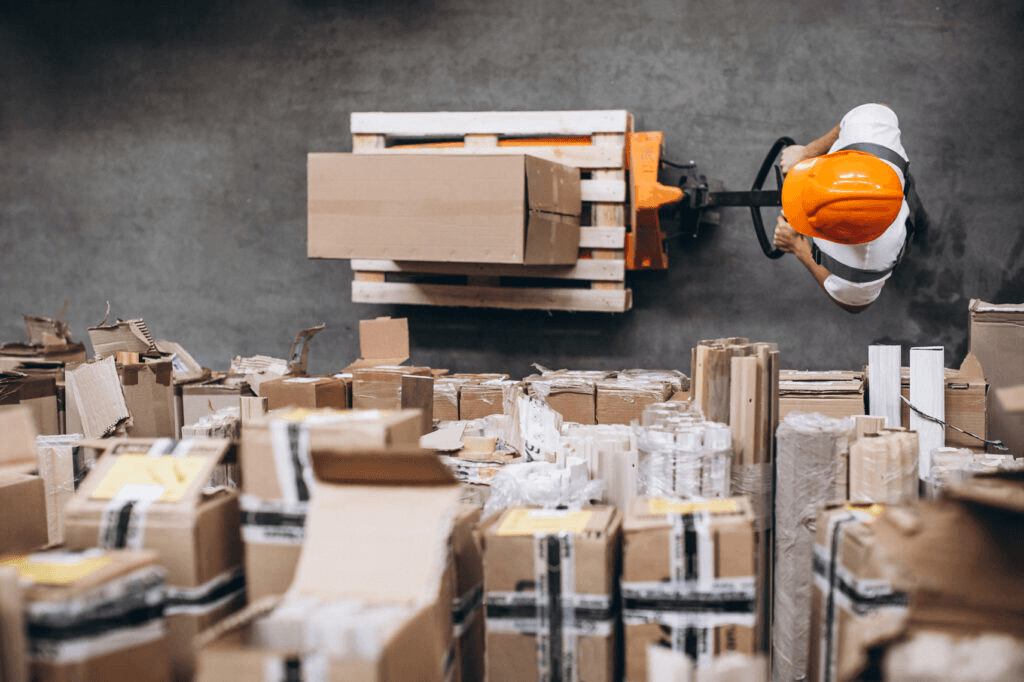
In traditional logistics operations, the majority of products move and are stored on pallets. Depending on the product type, dimensions, and storage strategies, pallets are stored on pallet racks or stacked on the floor in single or multiple rows.

The 2nd Stop on Turkey's Logistics Map: Ankara
Since Ankara is located in the center of the Central Anatolia Region, it has strategic importance as it paves the way for transportation in the north-south direction and also allows for distribution to be easily made to all parts of Turkey.
Value-Added Services in Warehouses
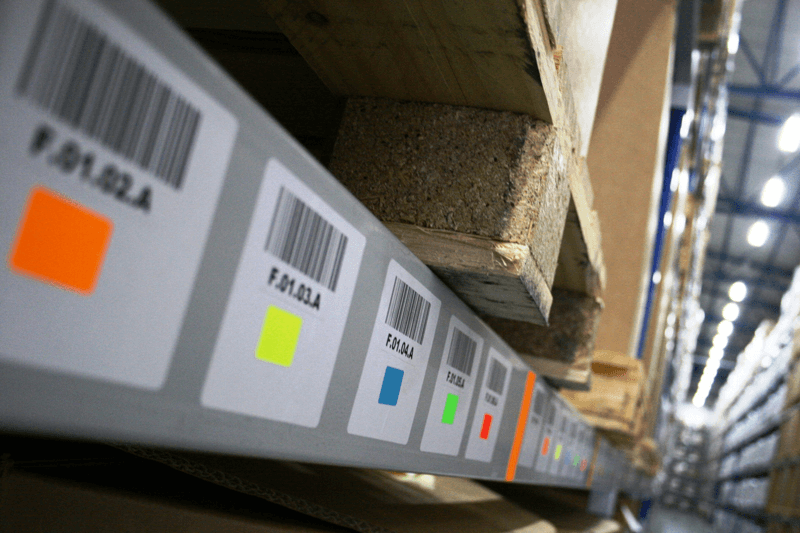
The rapid increase in the share of e-commerce within traditional retail is driving companies to develop strategies on different distribution and warehousing models.
On-Demand Warehousing Solutions
Companies with logistics storage needs, such as manufacturers, distributors, wholesalers, importers, and retailers, generally operate multiple warehouses. In these strategically located facilities, long-term lease agreements are made and full-time staff are employed.

The Importance of Warehouses in Earthquakes, and Earthquakes in Warehouses
There are many risky issues related to the operations of warehousing service providers. Among the most important of these are fire, occupational accidents that can lead to loss of life or injury, and collapses in the building property or racking systems. However, we can always face earthquakes, a natural disaster in which all of these hazards can occur at the same time.

The abandoned shopping cart in e-commerce is actually a logistics problem!
Abandoned shopping cart numbers are at an all-time high. So, what is this abandoned shopping cart issue all about? A potential customer, while shopping online, makes a purchasing decision by being meticulously selective and comparing prices and features. In the final stage, they add the product to the shopping cart, review the payment and shipping terms and conditions, and complete the purchase.
Traditional Warehouses and E-Commerce Warehousing Solutions at a Crossroads
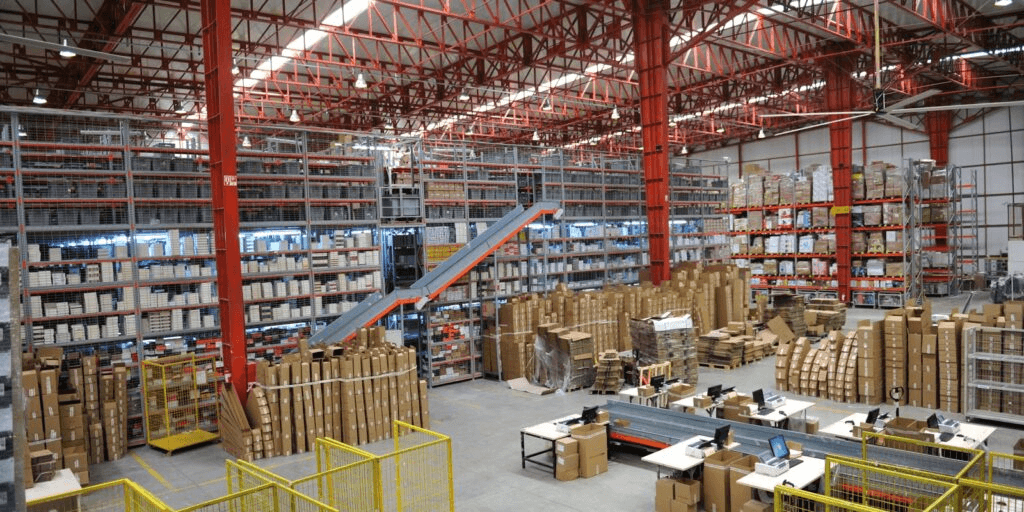
E-commerce logistics, which began in office rooms, home garages, and car trunks, has now left a decade behind. During this period, e-commerce products have reached a capacity that can no longer fit in offices or trunks. Today, tens of thousands of square meters of e-commerce fulfillment centers carry out high-speed, high-capacity operations to meet customer demands.

What Does Fulfillment Mean? What Is It Used For?
We have found that when many of our customers come to us looking for warehouse space, they are actually requesting a fulfillment service that can support their e-commerce sales—where they want their products not only stored, but also handled, packaged, and prepared to be ready for shipping.

Warehouse Offer Screen Has Been Renewed
ParkPalet's proposal creation screens have been enhanced for warehouse operators.

The new cohort startups of the QNBEYOND Acceleration Program have been announced
The eight startups accepted into the third cohort of the QNBEYOND Acceleration Program, within QNB Finansbank, have been announced. The startups, which will benefit from numerous opportunities for six months such as a strong mentor network, dozens of partners, working with a C-level executive of QNB Finansbank, and grant support, will graduate from the program with Demo Day in September.

Suitable Fulfillment for Small Businesses 2026
Compare the most suitable fulfillment strategies for small businesses in 2026. Choose based on cost, speed, and scalability criteria.

Professional Packaging Tips: Success in E-Commerce
Enhance the customer experience in e-commerce with professional packaging. Grow your sales with a step-by-step guide, common mistakes, and practical tips.

Amazon Ocean Freight: Costs and Documents 2026
Explore this guide to learn everything you need to know about Amazon ocean freight costs, transit times, and required documentation for 2026.

Scalable Logistics for Small Businesses: Can Your Warehouse Keep Up As Your Sales Grow?
Although growing in e-commerce often seems like an exciting process, the operational side of the business can become complex faster than you think. With the first orders, it is possible to manage everything manually. However, as the number of orders increases, packaging processes start to take longer, inventory tracking becomes difficult, and operational errors begin to show. Especially during campaign periods or unexpected sales spikes, warehouse capacity can fall short.

Micro-Fulfillment and Urban Warehousing: “Same-Day Delivery” is No Longer a Luxury, It's a Necessity
User expectations in e-commerce have changed significantly over the last few years. While orders delivered within a few days were once considered "fast shipping," today users are starting to expect same-day or even within-a-few-hours delivery. Especially for customers living in major cities, speed is no longer just an advantage but is becoming one of the fundamental criteria directly influencing purchasing decisions.

A Guide to Handling Marketplace Return Policies: Trendyol, Hepsiburada, and Amazon
As sales volume grows in e-commerce, one of the most challenging areas in operations becomes the return processes. Especially for brands selling on multiple marketplaces simultaneously, this process can become much more complex. This is because each platform has different operational rules, different customer expectations, and different return systems.

Don't Let Returned Products Go to Waste: Quality Control and Resale Strategies
As e-commerce return operations grow, one of the most important questions brands face is: What should be done with returned products? Because not every returned product translates directly into a loss. When managed correctly, many products can be restored to resale, and operational losses can be significantly reduced.
Prominent Trends in Fulfillment, Storage, and Return Management
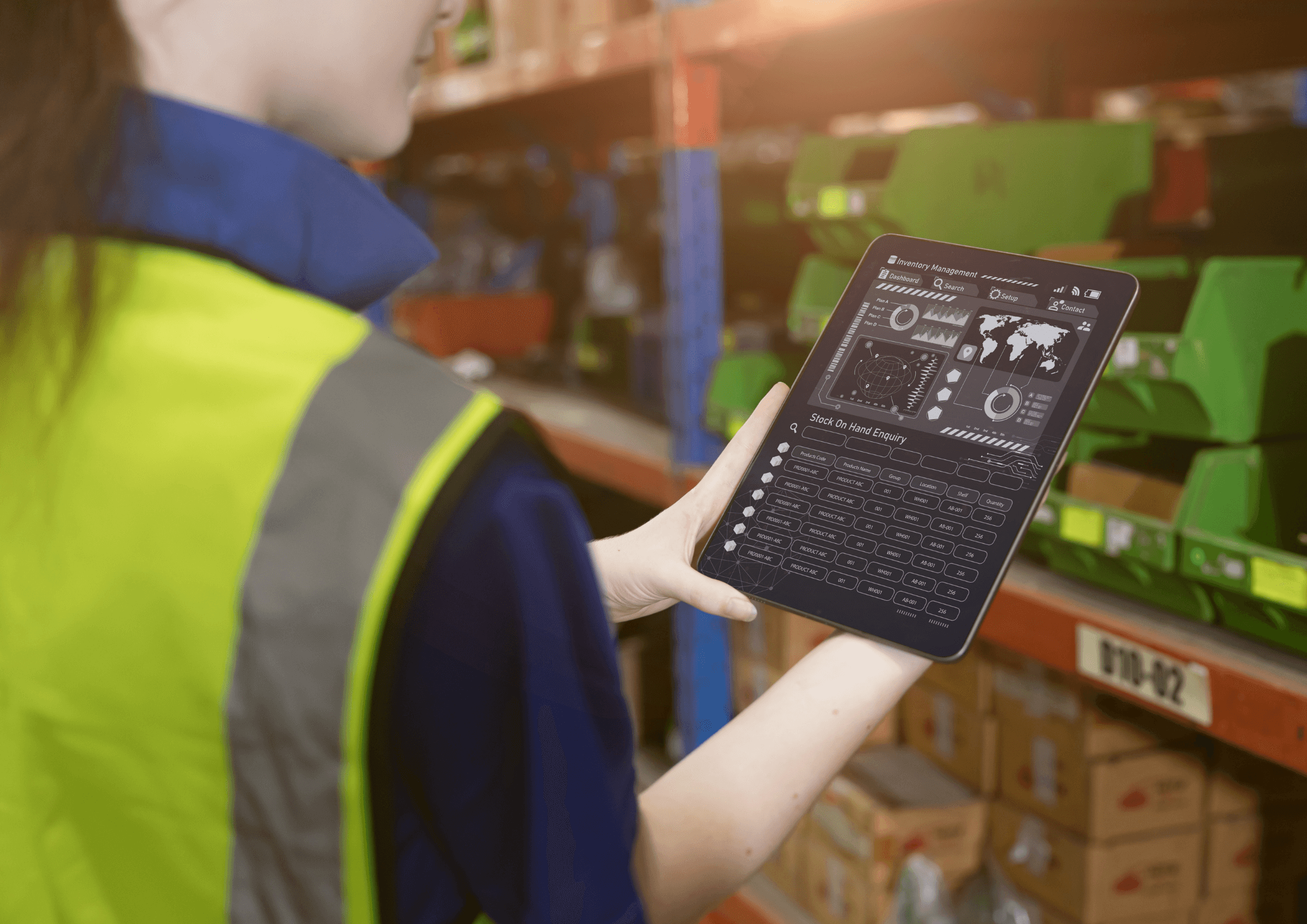
In the world of logistics and fulfillment, the last few years represent much more than just a period of "improvement." It is no longer about speeding up processes a bit more or cutting costs by a few points. As we approach 2026, the real question for brands is this:
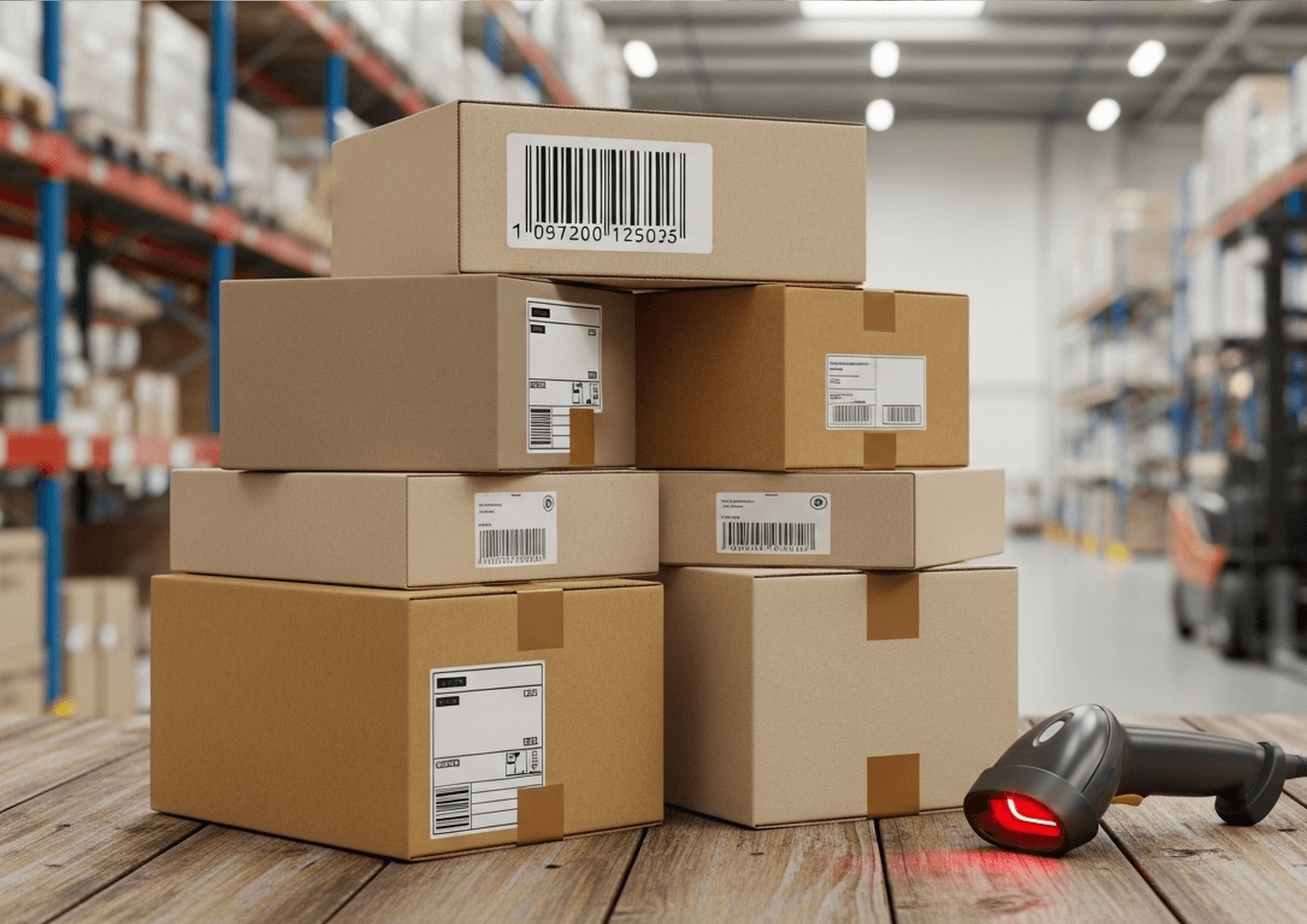
Why Should Warehouse Operations Be the Sales Team's Biggest Supporter?
In many companies, sales and warehouse operations are managed as completely separate worlds. While sales teams focus on targets, campaigns, and growth, warehouse operations are seen as a back-end structure. However, this distinction is a serious mistake for growing brands. Because no matter how good sales are, if the warehouse cannot support those sales, growth will not be sustainable.
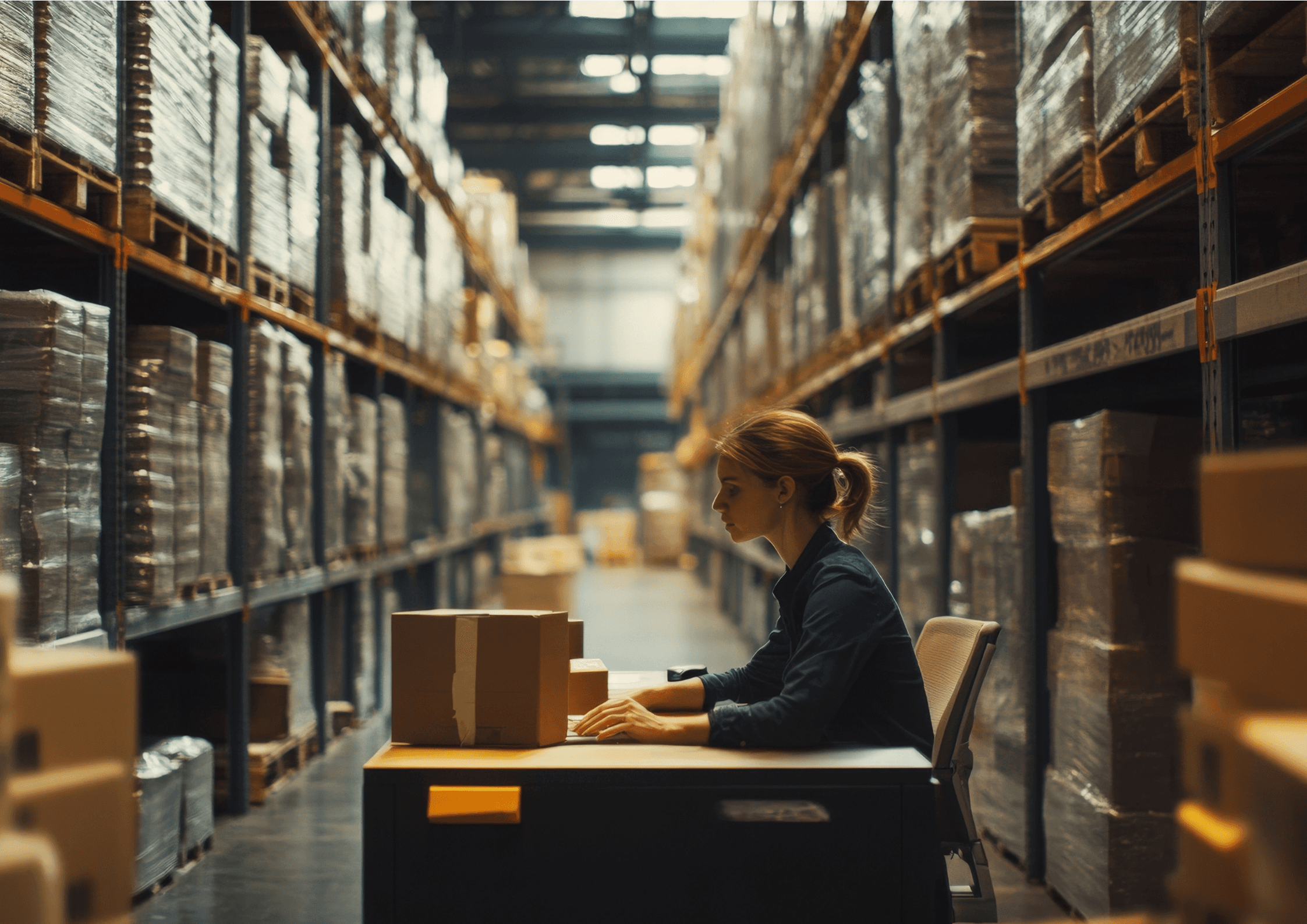
Why Do Fulfillment Operations Become More Complex as They Grow?
Fulfillment operations start small for most brands. The volume of orders is limited, the team knows each other, and processes can even be run verbally. At this stage, everything feels "under control." However, as sales volume grows, fulfillment suddenly turns into the brand's most complex operation. What is interesting is that this complexity is usually not sudden, but builds up slowly and unnoticed.

What Are the Hidden Costs Source of Storage?
Storage costs seem straightforward for most brands. The square-meter rate, pallet fee, rent, or contract amount is clear. Because of this, many managers operate under the assumption that "we know our warehouse costs." In reality, however, the warehouse is one of the operational areas that generates the most hidden costs. These costs do not appear as a single line item on invoices; they are scattered throughout processes, become normalized over time, and quietly drag down profitability.

How Should Warehouse and Shipment Operations be Planned?
The end of the year does not only mean more orders for e-commerce and multichannel retail brands; it is also a period when operational resilience is truly put to the test. Campaigns, surging demand, shorter delivery expectations, and rising return rates squeeze warehouse and shipment operations far more than in normal times. Therefore, year-end preparation is not just a few weeks of planning, but a strategic process that must be addressed months in advance.
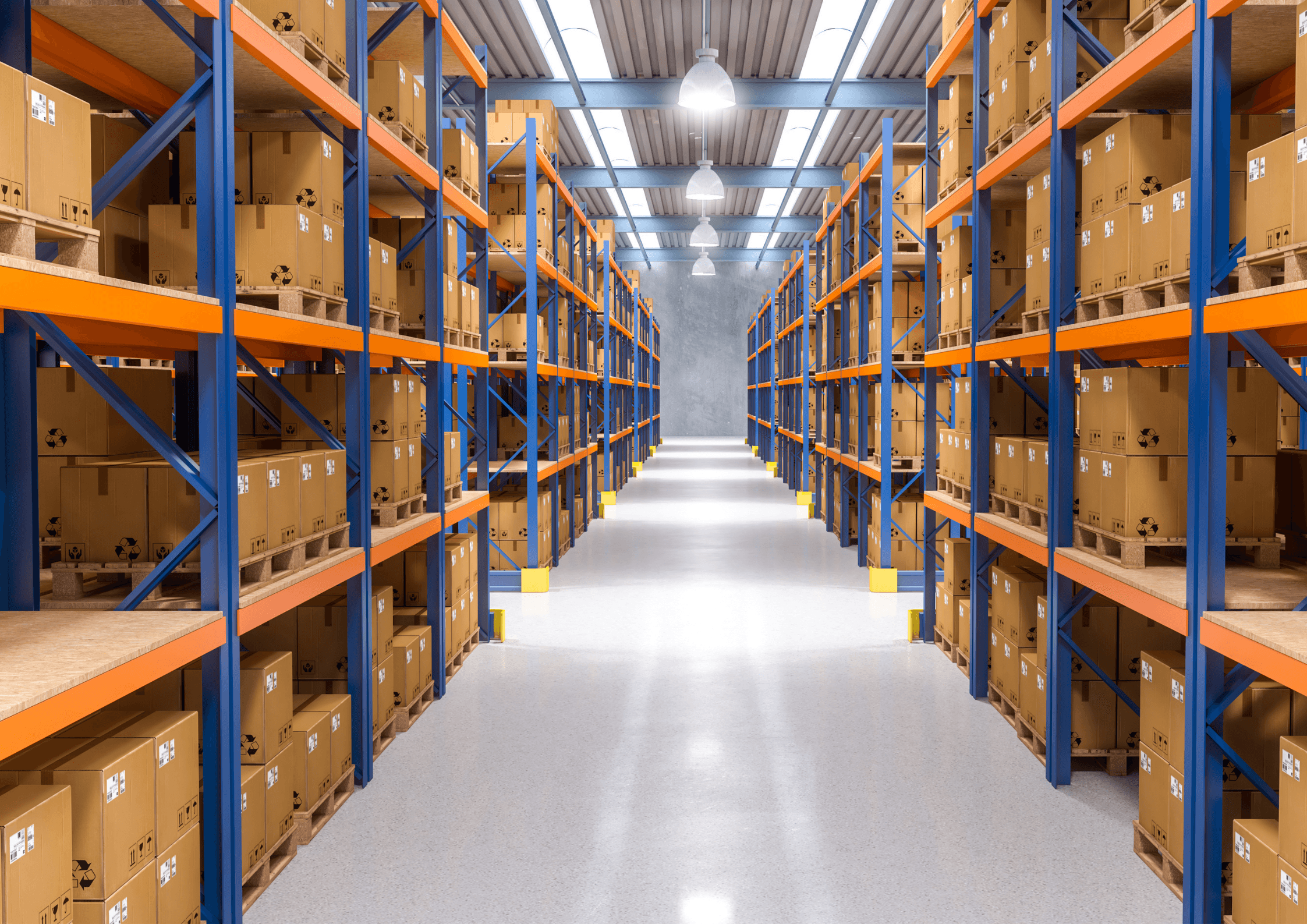
What is Multi-Location Warehousing?
For many years, when people thought of a warehouse, they imagined structures where the entire operation was managed from a single center. This model was sufficient when sales volumes were limited and delivery expectations were not as high as they are today. However, with the scaling of e-commerce, shortening delivery times, and changing customer expectations, single-location warehouses have begun to fall short for many brands.
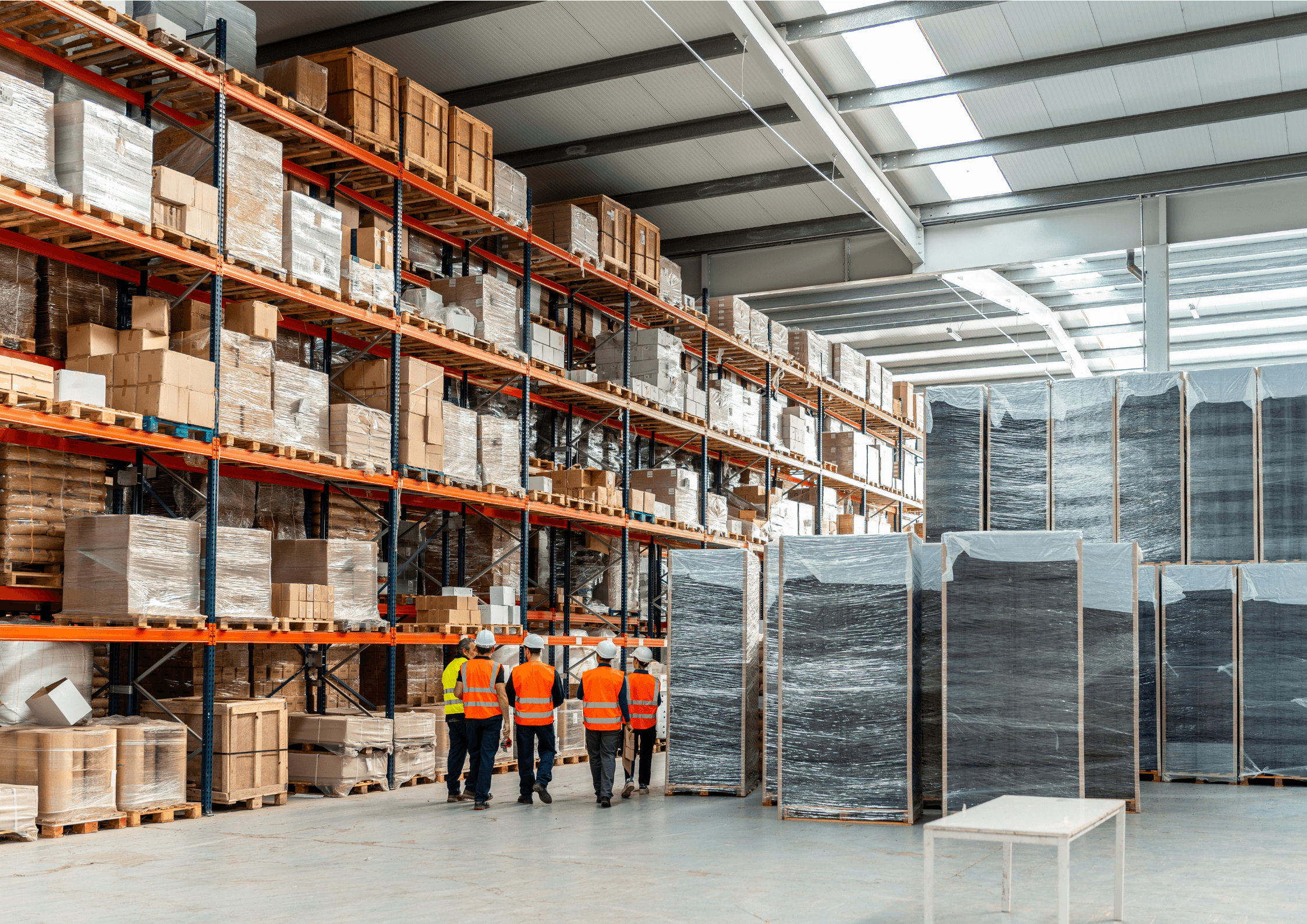
Which Operational Model in Warehouse Management Will Elevate Your Business?
For a long time, the concepts of warehousing and fulfillment were seen as the "backstage" operations of logistics. Today, however, especially for brands and manufacturers doing high-volume e-commerce, the warehouse model has become a factor that directly determines growth. A poorly structured warehouse does not ease operations as sales increase; on the contrary, it can turn into a bottleneck that locks up the entire system. Therefore, understanding the difference between B2B warehousing and B2C fulfillment is no longer just a theoretical topic, but a strategic necessity.
How Should Warehouse Operations Be Structured?
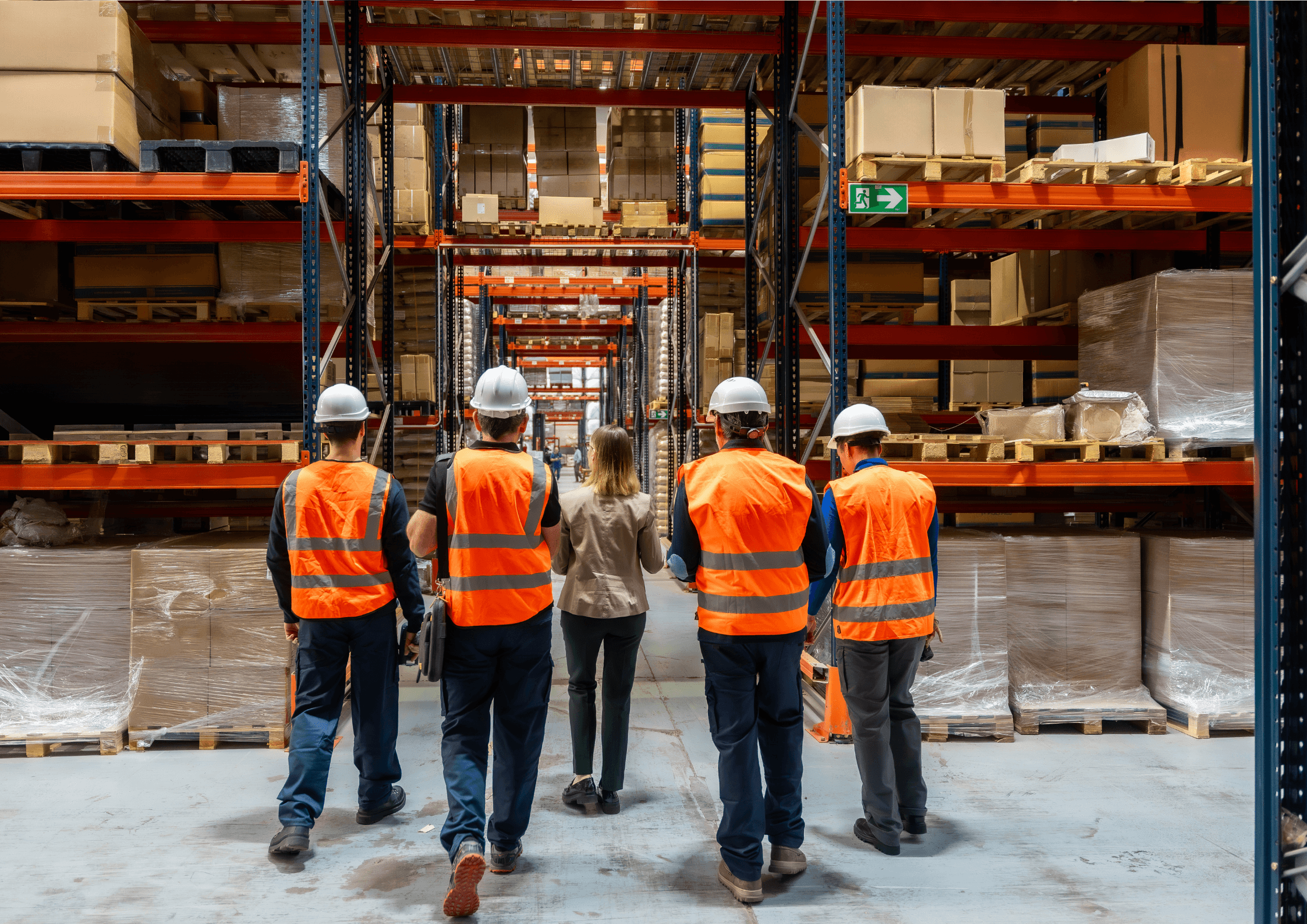
In e-commerce, returns are no longer an "exception" but a permanent part of the operation. Especially for cosmetics, apparel, FMCG, and omnichannel brands, return rates can reach the 15–40% range. As this rate grows, the real problem is not the return itself, but how it is managed in the warehouse.

Why Are E-Commerce Warehousing Costs Rising?
Recently, e-commerce brands have had a common complaint both in Google searches and on LinkedIn posts:
What Is Outsourcing in Fulfillment Operations?
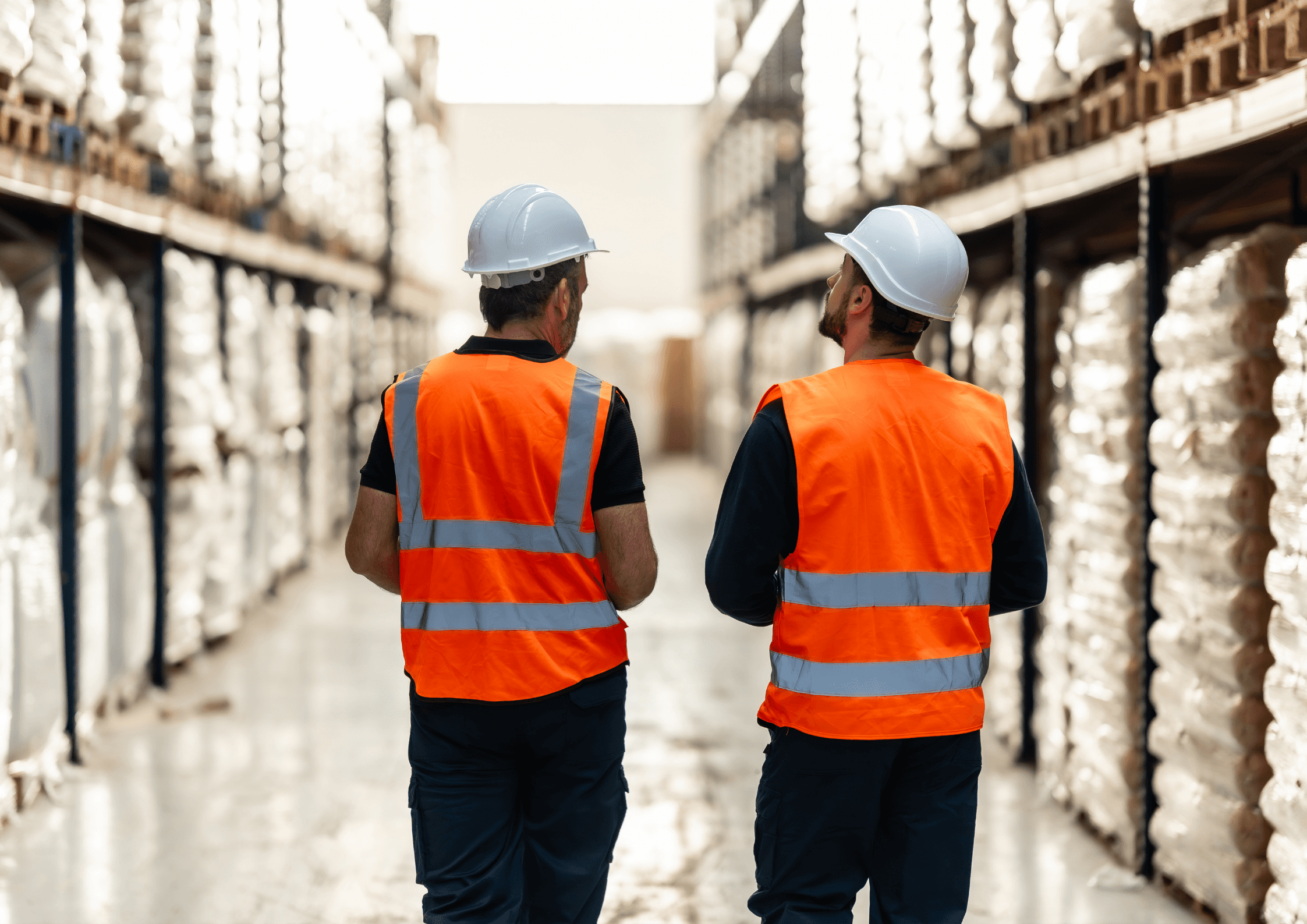
For e-commerce and multi-channel sales brands, logistics is no longer just an operation, but a strategic area that directly determines profitability and customer experience. In recent years, one of the most frequently encountered topics in Google searches and LinkedIn discussions is the following question:
Küçük İşletmeler için Ölçeklenebilir Lojistik: Satışlarınız Arttıkça Deponuz Size Ayak Uydurabiliyor mu?
E-ticarette büyümek çoğu zaman heyecan verici bir süreç gibi görünse de işin operasyon tarafı düşündüğünüzden daha hızlı karmaşık hale gelebiliyor. İlk siparişlerde her şeyi manuel şekilde yönetmek mümkün oluyor. Ancak sipariş sayısı arttıkça paketleme süreçleri uzamaya, stok takibi zorlaşmaya ve operasyonel hatalar görünür hale gelmeye başlıyor. Özellikle kampanya dönemlerinde ya da beklenmedik satış artışlarında depo kapasitesi yetersiz kalabiliyor.
Mikro-Fulfillment ve Şehir İçi Depolama: “Aynı Gün Teslimat” Artık Lüks Değil İhtiyaç
E-ticarette kullanıcı beklentileri son birkaç yılda ciddi şekilde değişiyor. Bir dönem birkaç gün içinde teslim edilen siparişler “hızlı gönderim” olarak değerlendirilirken bugün kullanıcılar aynı gün hatta birkaç saat içinde teslimat beklemeye başlıyor. Özellikle büyük şehirlerde yaşayan müşteriler için hız artık yalnızca avantaj değil, satın alma kararını doğrudan etkileyen temel kriterlerden biri haline geliyor.
Pazar Yeri İade Politikalarıyla Baş Çıkma Rehberi: Trendyol, Hepsiburada ve Amazon
E-ticarette satış hacmi büyüdükçe operasyon tarafında en çok zorlayan alanlardan biri iade süreçleri oluyor. Özellikle aynı anda birden fazla pazar yerinde satış yapan markalar için bu süreç çok daha karmaşık hale gelebiliyor. Çünkü her platformun farklı operasyon kuralları, farklı müşteri beklentileri ve farklı iade sistemleri bulunuyor.
İade Gelen Ürünler Çöp Olmasın: Kalite Kontrol ve Yeniden Satış Stratejileri
E-ticarette iade operasyonları büyüdükçe markaların karşısına çıkan en önemli sorulardan biri şu oluyor: Geri gelen ürünlere ne yapılmalı? Çünkü her iade ürün doğrudan zarar anlamına gelmiyor. Doğru yönetildiğinde birçok ürün yeniden satışa kazandırılabiliyor ve operasyon içindeki kayıplar ciddi şekilde azaltılabiliyor.