Summarize this text with AI
Select your preferred tool to create a short summary of the text.
Management of Returns in E-Commerce Logistics
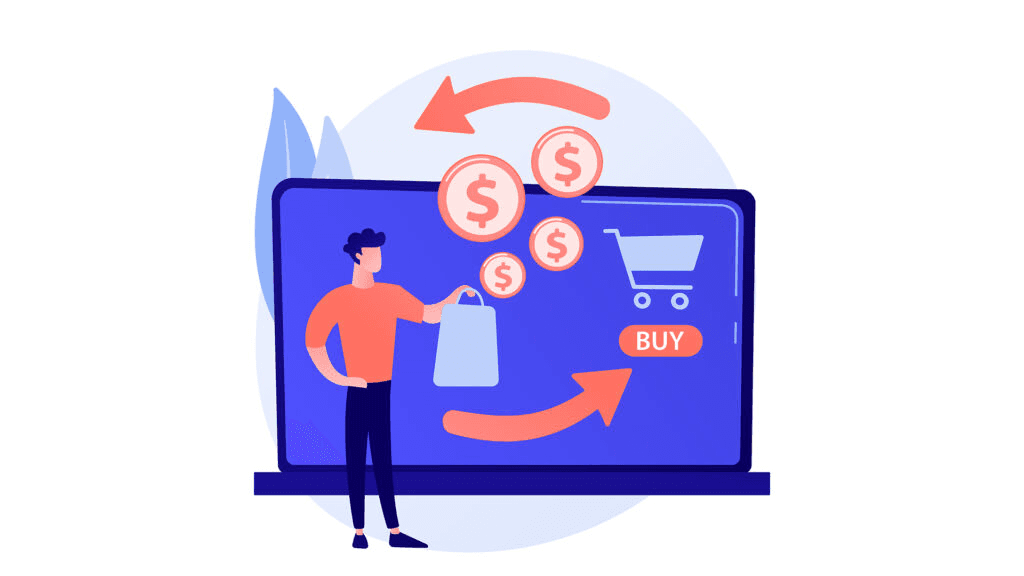
Various reasons, such as the product arriving incorrect or damaged, size and measurement issues, or the product physically not satisfying the customer, lead to a return decision.
Various reasons, such as the product arriving incorrect or damaged, size and measurement issues, or the product physically not satisfying the customer, lead to an return decision. Whatever the reason may be, returning products sold in any commerce is probably not a very pleasant situation for a seller, but in e-commerce, the situation is slightly different because customers who can easily return the products they purchased in e-commerce continue to make their new purchases from the same company. In this respect, a hassle-free return process ensures the creation of loyalty between the customer and the company.
For many customers, the final purchase decision takes place at the moment they physically see the product. Many innovative businesses recognize that a customer-oriented return policy is a powerful marketing tool. Therefore, many e-commerce sellers highlight the opportunity for “free, easy, and hassle-free” returns and exchanges to increase conversion rates and purchases.
Is the operational flow of returns a complete problem for e-commerce sellers? Of course, if you do not have a proper return management system. Due to inefficient return processes, many e-commerce sellers prefer to leave products with the customer without taking them back, while also processing a refund. A fulfillment center with a return management system, however, can turn this entire process into a win-win model for both the seller and the customer.
Processes such as customers easily initiating a return process, sending their addressed package to the order preparation center through the system, the return operator receiving the return defined in the system, performing detailed or superficial product control, and returning the products to inventory or sending them for destruction within the framework of return procedures determined by the seller constitute the general scope of the return flow. This process must be traceable, recordable, measurable, and reportable.
A return operation supported by a professional team and data not only saves e-commerce sellers time and money but also improves their forecasting capabilities. The system allows you to determine return percentage rates for any product, thereby preventing extra or unnecessary inventory from reflecting in your storage costs and helping you plan the procurement order process more efficiently.
The most accurate way to improve customer loyalty, prevent potential customer churn, and stop unhappy customer feelings from turning into social media complaints is to manage returns with a professional approach. By receiving service from ParkPalet Fulfillment centers spread across all of Turkiye, you can also profit from your returns.