Summarize this text with AI
Select your preferred tool to create a short summary of the text.
A Guide to Handling Marketplace Return Policies: Trendyol, Hepsiburada, and Amazon
As sales volume grows in e-commerce, one of the most challenging areas in operations becomes the return processes. Especially for brands selling on multiple marketplaces simultaneously, this process can become much more complex. This is because each platform has different operational rules, different customer expectations, and different return systems.
How a brand manages the return process is just as important as why a customer returns a product. This is because users now expect not only fast delivery but also a quick and hassle-free return experience. Especially when considering store ratings, customer reviews, and seller performance criteria in marketplaces, return operations can directly affect sales performance.
Precisely for this reason, brands that proceed without a strong operational plan may face warehouse chaos, operational burden, and high costs over time. In particular, managing returns coming from different platforms manually can make operations significantly difficult.
Today, the majority of successful e-commerce operations invest not only in sales management but also in the post-sales process. This is because the return operation is no longer an "inevitable cost"; it is becoming a strategic area that manages customer experience and brand trust.
Legal Obligations Sellers Need to Know

Return processes in e-commerce are not only operational but also represent one of the areas carrying legal responsibility. Particularly in Turkey, consumers have certain rights of withdrawal within the scope of distance sales contracts.
It is of great importance for brands selling in marketplaces to manage these processes correctly. This is because dissatisfaction experienced on the user side is reflected not only in reviews but also in store performance ratings.
Especially in platforms with high operational volumes such as the Trendyol return process, sellers need to take action within the designated time frames. Delays or mismanagement of return requests can negatively affect in-platform performance metrics.
The important thing here is not only to apply the legal procedure but also to protect the user experience. Because most of the time, the user evaluates the brand not only by the quality of the product, but by how it behaves when a problem occurs.
Some brands view return operations merely as a "mandatory process." However, well-managed processes can provide a significant advantage in terms of customer loyalty.
The Impact of Fast Action on Store Rating
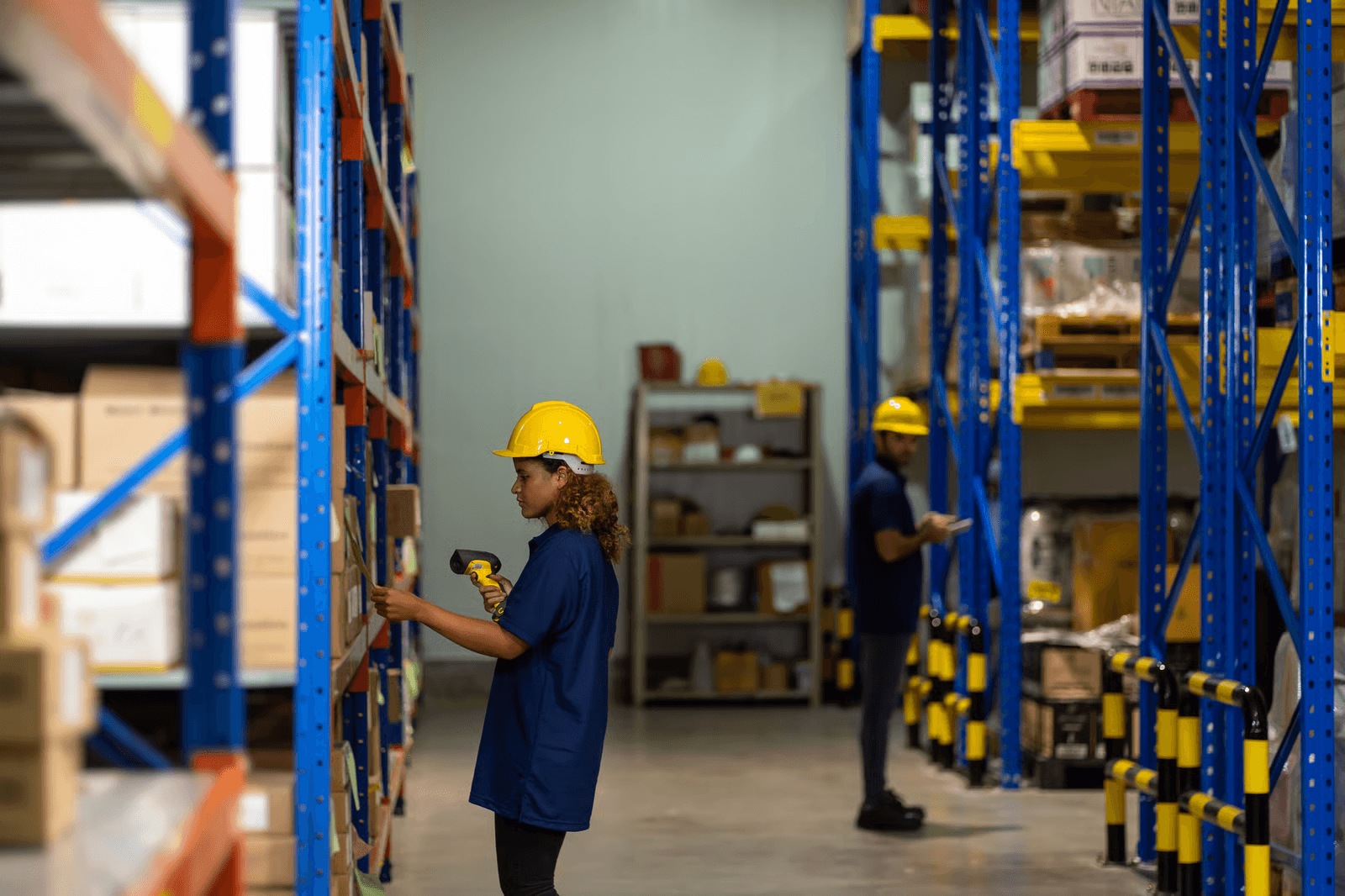
One of the most important criteria affecting store performance in marketplaces is operational speed. Especially stores that respond slowly to return requests or weary the user during the process can lose visibility over time.
Today, user experience carries major importance on platforms like Trendyol, Hepsiburada, and Amazon. Therefore, the speed in return processes can directly reflect on store ratings.
In particular, users pay attention to the following aspects during the return process:
How quickly the process moves forward
The ease of the shipping operation
The communication approach of the seller
No delay in refunding payment
The more seamless this experience goes, the stronger the store trust can become.
Particularly for brands receiving a high volume of orders, operational organization is of great importance here. This is because manual processes can increase error rates over time and decrease user satisfaction.
Consolidating Returns from Different Channels into a Single Point

For brands selling in multiple marketplaces, one of the biggest operational problems is channel confusion. This is because returns from each platform can proceed through different systems.
Specifically, while running a strong Hepsiburada return operation, managing Amazon or Trendyol processes at the same time can significantly increase the operational burden.
Some businesses try to track returns from different platforms individually. However, as order volumes grow, this method can cease to be sustainable.
That is why a centralized structure becomes much more crucial in fulfillment operations. Gathering returns in a single operations center can increase process visibility and reduce operational chaos.
In particular, evaluating products from different channels within the same quality control system helps maintain operational standards.
Today, most large-scale e-commerce operations try to manage orders and returns from different marketplaces through a single panel. This is because the more centralized the operation becomes, the easier the process control is.
Tracking Return Shipping Codes with Automation

One of the most time-consuming issues in return operations is manual tracking processes. Especially in high order volumes, where which product is, which shipment has reached the warehouse, or which product is pending control can get mixed up.
Therefore, automation systems have become much more important in recent years. Operational visibility is of great importance, especially for managing a strong Amazon return policy.
Since user expectations are quite high on platforms like Amazon, processes need to move quickly. This can make manual operations management difficult.
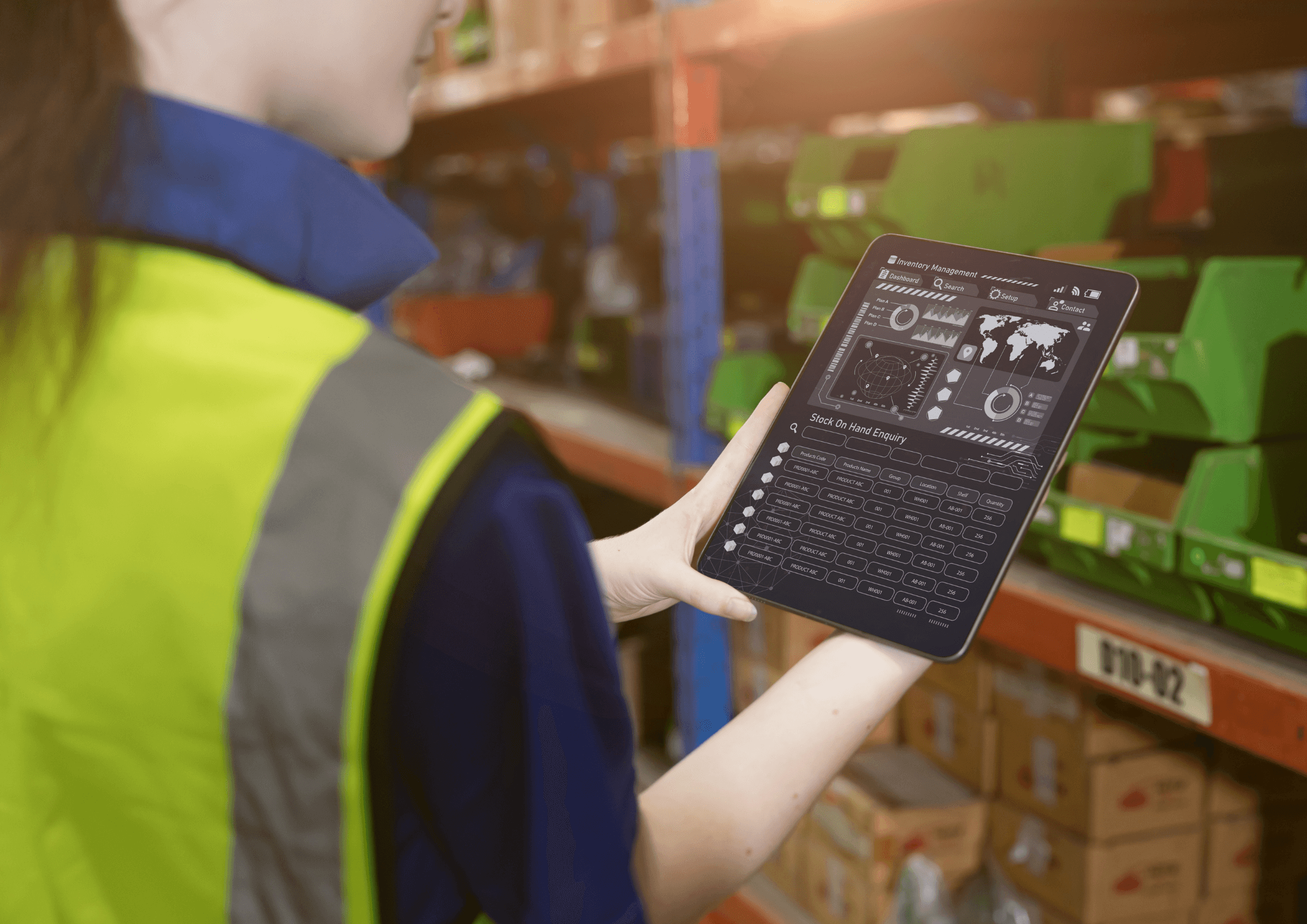
In automation-supported systems, shipment movements become more visible. Thus, operational preparations can be made before the product reaches the warehouse, and the process can progress faster.
Especially in operations with fulfillment infrastructure, these systems can significantly reduce warehouse density.
Why are returns so high in marketplaces?
Since users purchase products without experiencing them physically in online shopping, return rates can run higher compared to physical stores.
Particularly in the fashion category, size mismatch, expectation differences in electronic products, or deficiencies in product descriptions can stand out among the reasons for returns.
Therefore, holding a strong marketplace return policy management becomes critical not only for the operational side but also for the customer experience.
Preparing product descriptions accurately, using high-quality images, and managing user expectations clearly can play an important role in reducing return rates.
Can sellers control the return process?
Although it is not possible to control it completely, operational quality can make a significant difference.
In particular, responding quickly, keeping the user informed during the process, and managing the operation in an organized manner can increase customer satisfaction.
For many users, it is not the occurrence of a problem, but how the brand resolves the problem that becomes more important.
How to reduce return costs?
The most effective way to reduce the cost of returns is to speed up the operation. Because the longer a product remains outside the operation, the more the cost can increase.
Accurate quality control, rapid restock, and operational automation can provide a major advantage here.
At the same time, reducing incorrect product shipments and improving product descriptions can also help lower return rates.
Does fulfillment simplify the return process?
It can definitely simplify it. Especially thanks to fulfillment infrastructures, the return of products to the warehouse, quality control, and restocking can progress in a more standardized way.
This situation can increase process visibility while reducing the burden on operational teams.
Especially in high-volume operations, fulfillment support can provide a significant time advantage.
How is return managed across multiple platforms?
A centralized operation system becomes highly important for brands selling in more than one marketplace.
Especially through a strong e-commerce return management infrastructure, products coming from different platforms can be controlled in a single center.
This reduces operational chaos while enabling processes to proceed in a more sustainable manner.
Does the return process affect sales?
Yes, it directly affects them. Because users now rate the entire shopping experience, not just the product.
Easy and fast return processes can increase user trust. This can strengthen the likelihood of repeat purchases.
Especially considering store reviews and user ratings in marketplaces, return operations become an important part of brand perception.
To manage returns coming from different marketplaces from a single operations center, you can benefit from ParkPalet's integrated fulfillment and return management solutions. By inspecting your return products faster, you can bring them back to stock, making your operational processes more sustainable.
Manage returns from different marketplaces from a single center; control all your return traffic from a single screen thanks to ParkPalet's integrated systems.