Summarize this text with AI
Select your preferred tool to create a short summary of the text.
How Should Warehouse and Shipment Operations be Planned?
The end of the year does not only mean more orders for e-commerce and multichannel retail brands; it is also a period when operational resilience is truly put to the test. Campaigns, surging demand, shorter delivery expectations, and rising return rates squeeze warehouse and shipment operations far more than in normal times. Therefore, year-end preparation is not just a few weeks of planning, but a strategic process that must be addressed months in advance.
The fundamental mistake many brands make is thinking of the year-end rush solely as "more shipping." In reality, this period affects the entire operational chain, from in-warehouse flows to inventory planning, shipping capacity to return management. Entering the year-end unprepared can result in customer dissatisfaction and cost increases despite high sales volume.
Why Does the Year-End Period Challenge Warehouse Operations So Much?
The year-end rush makes small hiccups in warehouse operations, which can normally be tolerated, highly visible. Daily order volumes multiply, picking and packing processes speed up, and the tolerance for error becomes almost zero. At the same time, both promotional product shipments and increasing return requests must be managed simultaneously.
Under this pressure, the warehouse must function not just as a physical space, but as an operational organism. If in-warehouse processes are not clear, if labor is not planned correctly, or if stock placement is inefficient, the rush can turn into chaos in a very short time. The bill for this chaos returns to the brand in the form of delayed deliveries, incorrect shipments, and rising operational costs.
Stock Planning: The Invisible Breaking Point of Year-End

At the core of year-end preparation lies accurate stock planning. Overstocking creates space pressure in the warehouse and cash flow problems, while understocking means missed sales opportunities. This balance becomes much more delicate with year-end campaigns.
Successful brands plan not only how much stock they will hold before the year-end, but also where these stocks will be kept. Fast-moving products should be positioned close to the shipping area, while slow-moving products should be stored with space efficiency in mind. Otherwise, the warehouse becomes inefficient as the rush increases, and operational speed drops.
Shipping Capacity and Courier Integrations
In the year-end period, shipping is one of the most fragile links in the warehouse operation. The rising order volume also stretches the capacity of courier companies. For this reason, shipping planning should not be considered limited to in-warehouse processes alone.
During this period where many brands conduct campaigns simultaneously, relying on a single channel for courier shipments pose a serious risk. Alternative carriers, flexible ship-out times, and planning shipping in harmony with the in-warehouse flow become decisive factors in year-end success. In a scenario where shipping gets bottlenecked, even the best campaign can turn into a negative experience for the customer.
Reorganizing Labor and Operational Flows

The year-end rush directly affects the in-warehouse workforce as well. Teams that are sufficient during normal periods may fall short during this time. However, the solution is not always to hire more staff. The key is to ensure that the existing workforce operates within the correct flows.
Picking, packing, and shipping processes must be clearly separated, in-warehouse traffic must be routed correctly, and bottlenecks must be identified in advance. Otherwise, as the rush increases, labor efficiency drops and the error rate rises. Year-end operations should be managed with processes that are consciously simplified, not unplanned expansions.
The Return Wave: The Process That Starts After the Rush Ends
Many brands base their year-end planning solely on sales and shipping. However, the actual second wave comes after the rush ends: returns. Quick purchases made during campaign periods create a massive volume of returns at the end of the year. If the warehouse operation is not ready, these returns create a new crisis area.
The acceptance, inspection, and restocking of returned products sustain the pressure on the warehouse in the post-year-end period. Therefore, return processes should be treated as an integral part of year-end planning. Warehouses that are not ready for returns cannot escape the operational burden, even after the sales period ends.
Treating Year-End as an Operational Project
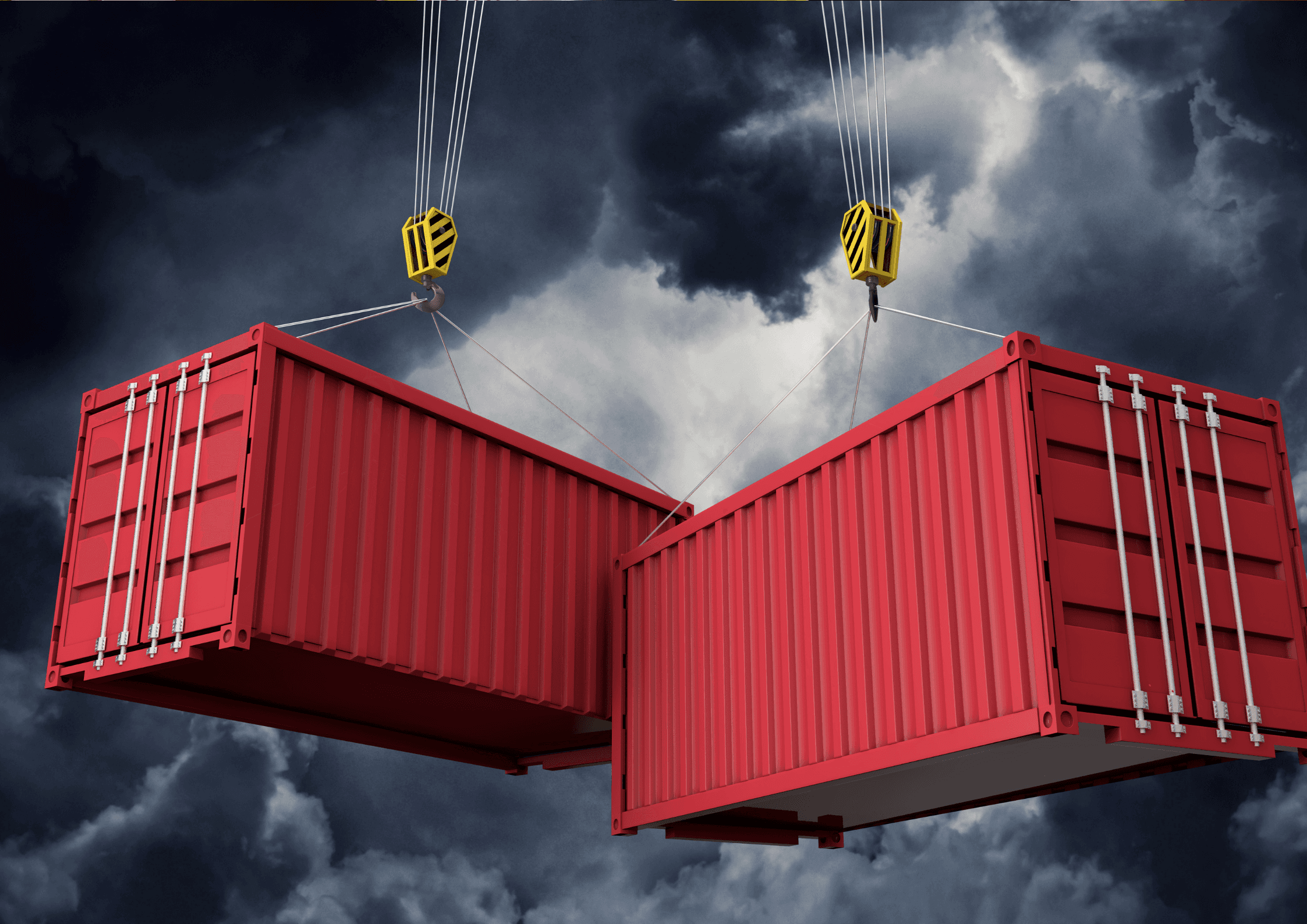
ParkPalet treats the year-end rush not as a temporary phase, but as an operational project that needs to be planned specifically. Warehousing, fulfillment, and shipping processes are evaluated together before the year-end. Distributing stocks to the correct locations, scaling shipping capacity, and integrating return processes are managed under one single plan.
Thanks to this approach, brands manage this period in a controlled and sustainable manner instead of merely trying to "survive" the rush. The year-end turns into a period where the operation does not break down, but rather strengthens with the right planning.
Conclusion: Year-End Success Starts in the Warehouse
Year-end sales success is not determined solely by marketing budgets or campaign strategies. The real difference is made by having a warehouse and shipping infrastructure that can carry this volume. If the warehouse and operations are not ready, the increase in sales is nothing more than a short-term gain.
For brands that want to enter 2026 strong, the year-end is not just a closing, but a demonstration of operational maturity.
🚀 ParkPalet Year-End Operational Solutions
If you want to secure your warehouse and shipping operations heading into the year-end rush:
👉 Explore ParkPalet Warehousing and Fulfillment Solutions
👉 Contact Us for a Special Year-End Operation Plan
Let’s plan not just to manage the rush, but to grow.