Summarize this text with AI
Select your preferred tool to create a short summary of the text.
How Should Warehouse Operations Be Structured?
In e-commerce, returns are no longer an "exception" but a permanent part of the operation. Especially for cosmetics, apparel, FMCG, and omnichannel brands, return rates can reach the 15–40% range. As this rate grows, the real problem is not the return itself, but how it is managed in the warehouse.
In this article, we look in detail at why brands with high return rates struggle, why warehouse and fulfillment operations get bottlenecked at this point, and how this structure should be redesigned.
Why Return is Not Just a Shipping Process?
In many brands, the return process is perceived as follows:
Product is returned from the customer
Shipment is received
The process is closed
However, the real operation starts right after this point.
Every returned product:
Re-enters the warehouse
Goes through inspection
Is sorted
Is restocked or removed from sale
Each of these processes directly affects:
In-warehouse space utilization,
Labor requirements,
Order preparation speed,
Stock accuracy
.
In other words, when not set up correctly, returns turn into a factor that slows down the entire warehouse and fulfillment operation.
Structural Problems Observed in Brands with High Return Rates
1. There is No Clear Warehouse Flow for Returned Products
In many warehouses, returned products:
Are kept in temporary areas
Get mixed with stock ready for sale
Are processed without a clear prioritization
This situation leads to:
Confusion,
Stock errors,
Order delays
within the warehouse.
2. Time to Return to Resale is Very Long
For a returned product to go back on sale can take:
Days,
Or even weeks.
This delay:
Reduces stock turnover rate
Disrupts cash flow
Causes missed sales opportunities during campaign periods
3. Return Costs Are Often Not Calculated
Most brands view the return cost solely as the return shipping fee.
However, the real cost also includes:
In-warehouse labor
Space utilization
Handling
Repackaging
Operational delays
These "hidden costs" silently erode profitability as the return rate increases.
4. The Fulfillment Process is Not Designed Around the Return Scenario
Most fulfillment structures are:
Focused on "order outbound"
Do not cover "return" scenarios
Therefore, when return volume increases:
A bottleneck occurs in the warehouse
Outbound operations slow down
SLAs are breached
5. Return Data is Not Fed Back into the Operation
Return reasons are often not linked to:
Product descriptions
Packaging quality
Shipping process
.
This disconnect causes the same problems to continuously repeat.
How Should Brands with High Return Rates Redesign Their Operations?
1. Returns Should Be Handled as a Separate Operation in the Warehouse
Returns should be managed with separate areas, separate workflows, separate KPIs, and SLAs.
Warehouse efficiency cannot be achieved without clear return processes.
2. Return + Fulfillment Should Be Integrated into a Single Structure
For a returned product:
When it will be processed
Under what condition it will be resold
In which location it will be kept
must be predefined.
This integration significantly reduces in-warehouse bottlenecks.
3. Time to Resale Readiness Must Be Shortened
The goal:
To bring the returned product back to sale as quickly as possible.
This:
Increases stock turnover rate
Ensures efficient use of warehouse space
Positively affects cash flow
4. Multi-Location Warehouse Structures Provide an Advantage
Processing returned products:
At the location closest to the sale
In the fastest way possible
both reduces costs and shortens the time to resale.
5. Return Data Must Turn into Operational Decisions
Return reasons must be fed back as data into:
Packaging processes
Stock planning
Fulfillment flow.
This way, the return rate can be brought under control over time.
Return is an Integral Part of Warehouse Operations
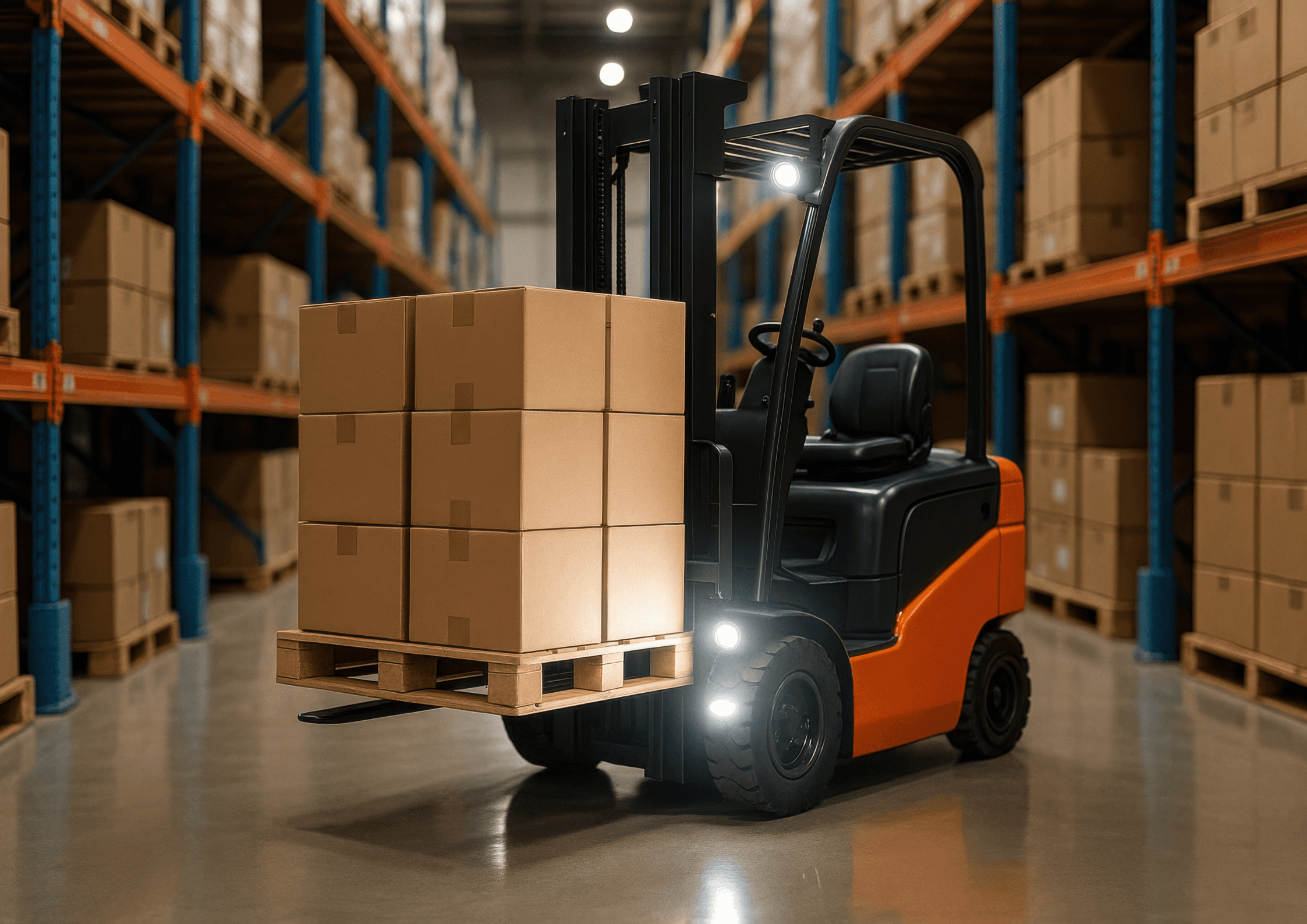
At ParkPalet, returns are:
Not a separate process from the warehouse
A natural extension of fulfillment
ParkPalet Return & Fulfillment infrastructure is built on:
Separate warehouse flows for returned products
Fast inspection and sorting
Prioritization of restockable products
B2B and B2C compatible operations.
Thanks to this structure:
No in-warehouse confusion occurs
Return costs become visible
Operations remain scalable
🚀 ParkPalet Return & Fulfillment Solutions
If your return rates have started to strain your warehouse operations:
👉 Explore ParkPalet Return & Fulfillment Solutions
👉 Get a Quote for Your Custom Return and Warehouse Operations Solution
Let's turn returns into an unburdensome, controllable, and optimizable process.