Summarize this text with AI
Select your preferred tool to create a short summary of the text.
Micro-Fulfillment and Urban Warehousing: “Same-Day Delivery” is No Longer a Luxury, It's a Necessity
User expectations in e-commerce have changed significantly over the last few years. While orders delivered within a few days were once considered "fast shipping," today users are starting to expect same-day or even within-a-few-hours delivery. Especially for customers living in major cities, speed is no longer just an advantage but is becoming one of the fundamental criteria directly influencing purchasing decisions.
Thanks to the habits created by marketplaces, users want the products they order to arrive as quickly as possible. This situation forces brands to transform not only on the product and pricing side, but also in their operations and logistics infrastructure. Because when delivery times are extended, customer satisfaction can decrease, cart abandonment rates can rise, and brand perception can be compromised.
Right at this point, fast delivery e-commerce resides at the center of operations. Especially thanks to micro-fulfillment and urban warehousing models, brands can reach customers in a much shorter time. Same-day delivery is no longer just a privilege offered by global brands, but is turning into a natural expectation of users.
What is micro-fulfillment?
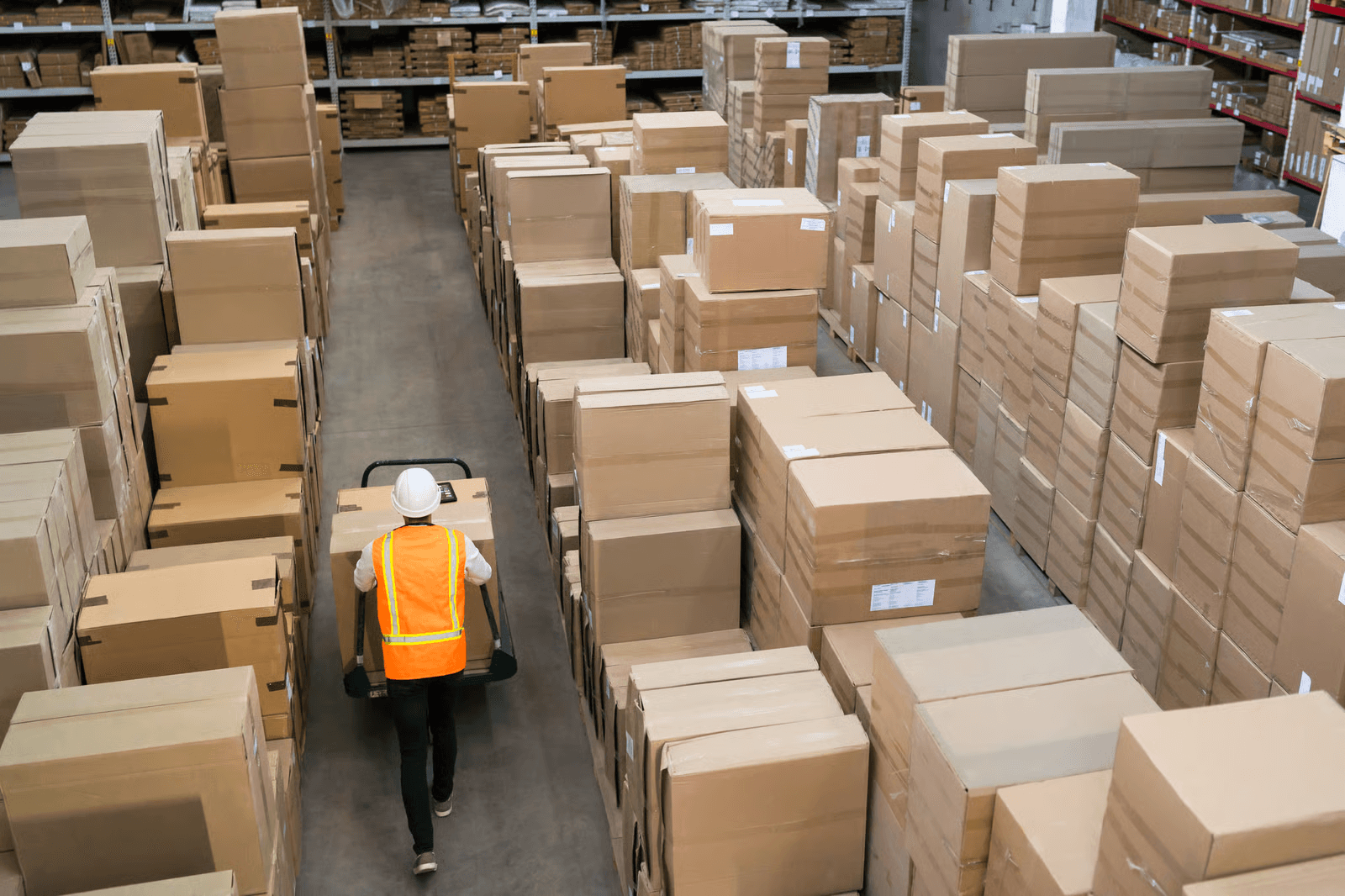
One of the most talked-about models in the logistics industry recently is micro-fulfillment systems. Especially as speed pressure increases in major cities, brands are beginning to position their products closer to the customer.
Basically, the micro-fulfillment model refers to keeping products in smaller operational points within the city, rather than in large central warehouses. This allows the order to be shipped from a location much closer to the customer.
In traditional warehouse structures, orders are usually sent from large operational centers outside the city. This can extend delivery times, especially in cities with heavy traffic. In micro-fulfillment systems, because the product is physically closer to the customer, the operation can be speeded up significantly.
One of the biggest advantages of micro-fulfillment systems is that they increase operational flexibility while shortening delivery times. Especially in areas of major cities where order density is high, this structure can make a significant difference.
Advantages of urban warehousing

In e-commerce operations, how close the product is to the customer directly impacts delivery performance. This makes operational hubs located near city centers strategic for brands.
Specifically, brands using the urban warehouse model can process order dispatches much faster. Because the product is located near the customer, operational time is significantly reduced.
The prominent advantages of urban warehousing include the following:
Shortening delivery times
Increasing same-day delivery capacity
Speeding up last-mile operations
Optimizing shipping costs
Providing an advantage in densely populated urban areas
Strengthening customer satisfaction
Facilitating return operations
In highly populated cities such as Istanbul, Ankara, and Izmir, urban operations hubs provide a great advantage. This is because traffic congestion and distance can directly affect delivery performance.
How is same-day delivery made possible?
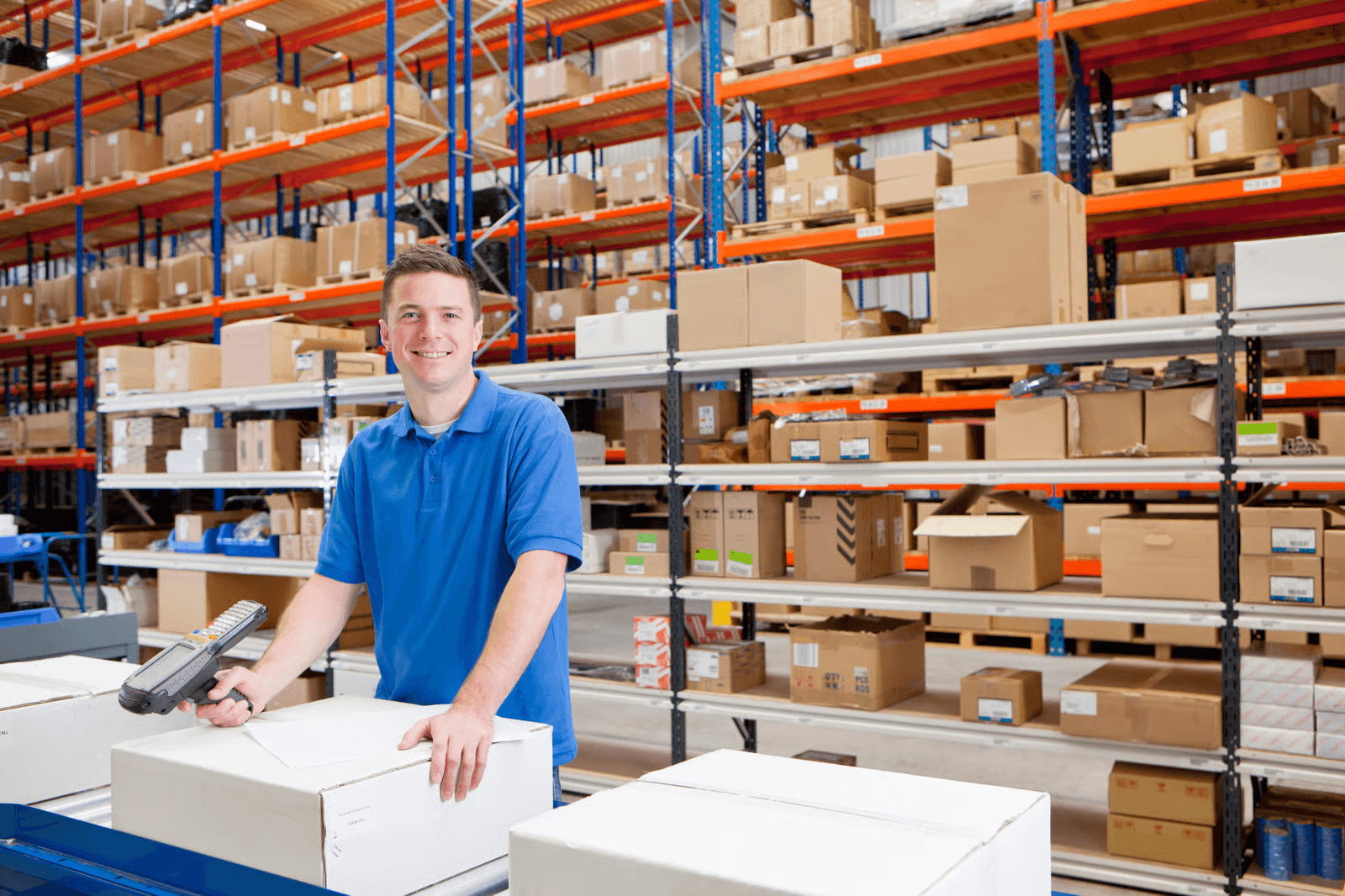
For many users, same-day delivery still seems like a "special service offered by major brands," but with proper operations planning, this model is becoming increasingly common.
In particular, strong same-day delivery operations are built upon specific foundational systems:
Urban warehouse network
Robust fulfillment infrastructure
Real-time stock management
Fast order preparation processes
Regional distribution model
Operations automation
Fast courier integrations
Ensuring operations proceed in an organized manner is crucial, especially during peak order hours. Incorrect stock information, slow packaging, or delayed operational workflows can affect the entire delivery process.
That is why brands are now investing heavily not just in courier company selection, but also in warehouse organization and fulfillment processes.
Logistics trends in major cities

Managing e-commerce operations in big cities becomes more complex with each passing year. Growing traffic density, rising user expectations, and speed pressure are directing brands toward new logistics models.
In recent years, the following trends in particular are becoming more visible:
Micro-warehouse systems
Regional fulfillment centers
Same-day delivery operations
Last-mile optimization
AI-powered route planning
Real-time delivery tracking
Multi-point urban distribution networks
Users are no longer just buying products; they are also buying speed. Consequently, logistics operations are now taking center stage in brands' competitive strategies.
Especially in major cities, a significant portion of users are beginning to consider delivery time as a purchasing criterion. This situation is forcing brands to build more agile operational models.
What is micro-fulfillment?
Unlike traditional large warehouse systems, the micro-fulfillment model operates through smaller operational centers located within the city.
The primary objective here is to be located physically closer to the customer. Thanks in particular to a strong fulfillment warehouse infrastructure, orders can be prepared in a much shorter time.
This model offers significant advantages, especially in speed-focused operations. Because products are kept close to the customer, delivery times naturally decrease.
Is same-day delivery possible?
With the right operational infrastructure, this system can be applied in many cities. However, for it to be sustainable, strong warehouse organization is required.
In particular, urban hubs and fast order preparation processes play a decisive role here.
Alongside this, real-time inventory tracking is of great significance. This is because having items that are out of stock appear as available for sale can directly disrupt operations.
Why is a micro-warehouse important?
As customer expectations speed up, central warehouse systems can fall short in some operations. Traffic and distance, particularly in large cities, can seriously impact delivery performance.
Micro-warehouse systems provide a key advantage here since the product is located much closer to the customer.
This situation:
Reduces delivery times.
Provides operational flexibility.
Lowers last-mile costs.
Increases same-day delivery capacity.
The micro-warehouse model is becoming increasingly important, especially in sectors focused on fast-moving consumer goods.
Which businesses should use it?
The micro-fulfillment system provides a significant advantage, particularly in industries where fast delivery expectations are high.
It is being increasingly preferred, especially in the following fields:
Cosmetic brands
Tech products
Fashion and accessories sector
Fast-moving consumer goods
Marketplace operations
Food and grocery delivery
For brands receiving high volumes of urban orders, this model can significantly strengthen customer satisfaction.
Is micro-fulfillment expensive?
At first glance, it might seem to generate extra operational costs. However, considering the impact of delivery speed on conversion rates, it can provide a strategic advantage for many brands.
Specifically, it can increase long-term operational efficiency through faster delivery, increased customer satisfaction, higher repeat purchase rates, and stronger brand perception.
Additionally, it can create flexible operational models for brands looking to optimize their large central warehouse costs.
How to set up an urban warehouse?
The most important issue in urban warehouse planning is choosing the right location, as operational performance directly hinges on this choice.
Usually, the following criteria are evaluated:
In which region does the order density occur?
How is the traffic accessibility?
Is it suitable for courier operations?
Does it provide same-day dispatch capacity?
Is it suitable for operational growth?
What matters here is not just opening a warehouse, but being able to manage the operation in a sustainable way.
Thanks to ParkPalet operational points in urban areas, you can deliver your orders to customers much faster, making the same-day delivery experience more sustainable. With a strong fulfillment infrastructure, you can reduce your operational burden, increase customer satisfaction, and gain an advantage in speed-oriented e-commerce competition.
Offer your customers the privilege of "same-day delivery" with ParkPalet points located within the city.