Summarize this text with AI
Select your preferred tool to create a short summary of the text.
What Is Outsourcing in Fulfillment Operations?
For e-commerce and multi-channel sales brands, logistics is no longer just an operation, but a strategic area that directly determines profitability and customer experience. In recent years, one of the most frequently encountered topics in Google searches and LinkedIn discussions is the following question:
Should fulfillment operations be managed in-house or outsourced?
Especially after 2025, rising warehouse costs, return rates, and delivery expectations are steering brands toward the fulfillment outsourcing model.
In this article, we cover:
What fulfillment outsourcing is,
Why it is rapidly spreading as we approach 2026,
Which brands it makes sense for
with clear and operational examples.
What Is Fulfillment Outsourcing?
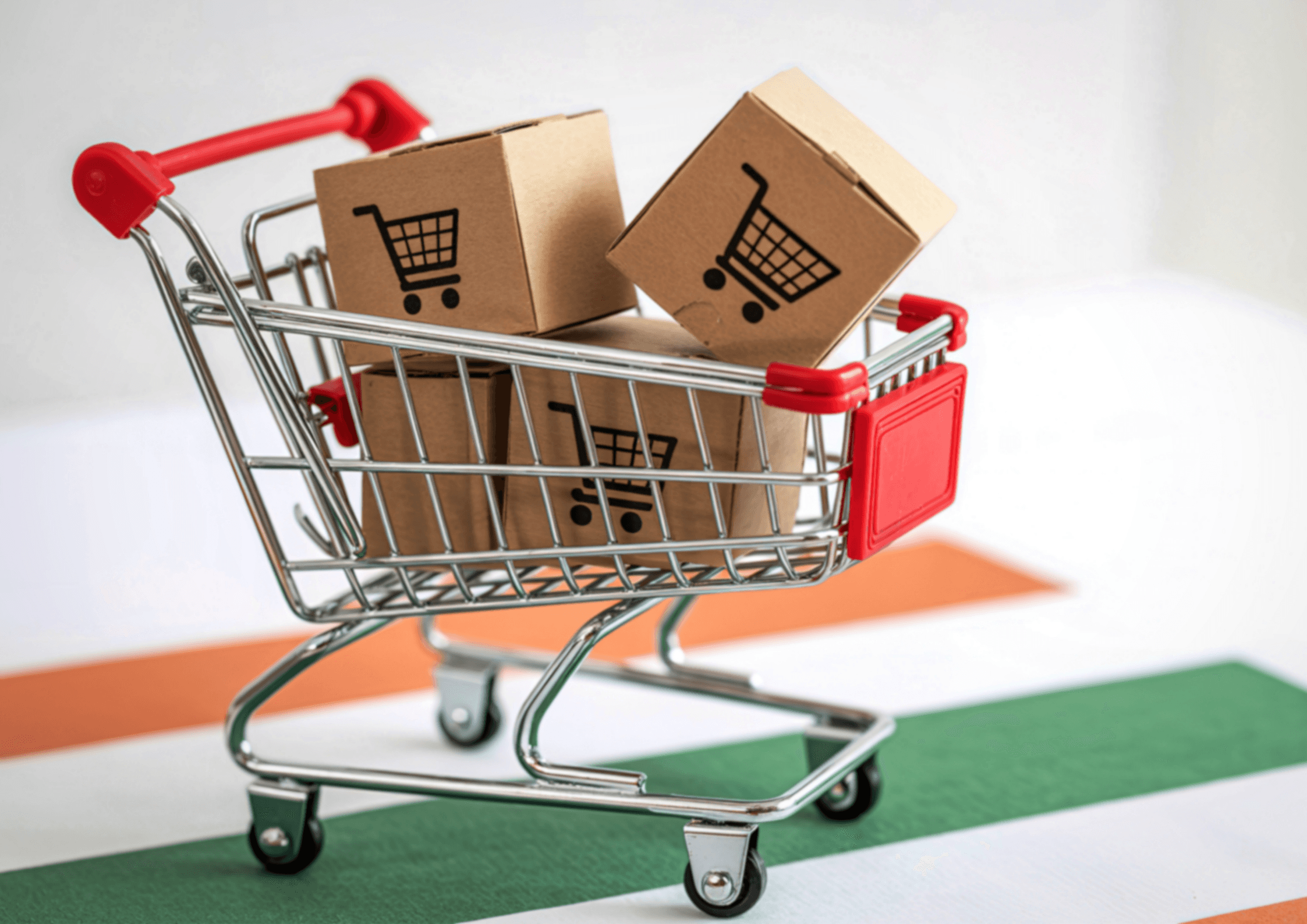
Fulfillment outsourcing is the delegation of storage, order preparation, packaging, shipping, and return processes by brands to an external logistics infrastructure provider.
In this model, the brand:
Does not set up its own warehouse,
Does not deal with personnel, software, and operational processes,
Manages the process from order to delivery through a single integrated structure.
In short:
Sales are yours, operations are the expert's.
Why Is It So Much on the Agenda Moving Toward 2026?
There are several key reasons behind why fulfillment outsourcing is being talked about so much:
1. Storage and Operational Costs Have Become Uncontrollable
Fixed warehouse expenses
Personnel costs
Inventory management errors
Inadequate capacity during peak periods
These items become even more complex as scale increases, particularly for high-volume brands.
2. Speed and Flexibility are Now Competitive Advantages
Same-day shipping, next-day delivery, dispatching from different cities...
These are no longer "extras", they are standard expectations.
Single-location, in-house warehouses struggle to provide this flexibility.
3. Return Management Has Become the Hardest Part of the Operation
As return rates increase:
Returning to the warehouse,
Inspection,
Restocking
turn into a serious operational burden for brands.
Outsourced fulfillment models reduce costs by optimizing the return process within the warehouse.
4. Brands Want to Focus on Growth, Not Operations

As we approach 2026, the priority of brands is to:
Expand into new markets
Broaden the product range
Invest in marketing & sales
Warehouse management, on the other hand, is now seen as a separate line of business requiring expertise.
Who is Fulfillment Outsourcing Sensible For?
This model provides great advantages especially for the following brands:
📦 High-volume e-commerce brands
🏭 Manufacturers and B2B sales companies
🌍 Domestic + international sellers
🔄 Categories with high return rates (cosmetics, textiles, FMCG)
📈 Fast-growing brands in need of scaling
If warehouse operations are now slowing down your sales speed, outsourcing becomes a serious alternative.
In-House Warehouse vs. Outsourced Fulfillment
Criterion | In-House Warehouse | Fulfillment Outsourcing |
Fixed cost | High | Low / variable |
Scalability | Difficult | Easy |
Multi-location | Limited | Possible |
Operational burden | High | Low |
Focus | Operation | Growth |
This table clearly shows why many brands are switching to hybrid or fully outsourced models.
ParkPalet Perspective: We Don't See Fulfillment as Just a Warehouse

At ParkPalet, fulfillment means
not just storing products, but managing end-to-end logistics performance.
Domestic and international fulfillment
Multi-location warehouse network
B2B and B2C compatible infrastructure
Operations integrated with return processes
High-volume compatible warehouse & shipping model
While brands hand over their operational burden to ParkPalet, they do not lose control; on the contrary, they transition to a more transparent and scalable structure.
Managing the Warehouse or Growing?
Fulfillment outsourcing is not a "trend",
but the natural next step for brands that have reached operational maturity.
When working with the right infrastructure:
Costs decrease,
Delivery speeds up,
Operations are simplified,
The brand focuses on growth.
🚀 ParkPalet Fulfillment Solutions
If you are wondering how moving your fulfillment operations to an external source will contribute to your brand:
👉 Examine ParkPalet Domestic & International Fulfillment Solutions
👉 Get a Quote for a Fulfillment Model Customized for Your Operations
From storage to shipping, from returns to scaling, let us manage preparation and fulfillment for you.