Summarize this text with AI
Select your preferred tool to create a short summary of the text.
What Does On-Demand Mean?
Recently, the term 'on-demand' has been used in the digital world more as a synonym for technology. Netflix - on-demand movies, Spotify - on-demand music, Uber - on-demand taxis, Airbnb - on-demand accommodation, etc. As Park Palet, our model is 'On-Demand Warehouse Space'. For this reason, we wanted to explain in more detail exactly what the term 'on-demand' means.
Digitalization is the conversion of analog signals into digital data. A piece of data can be copied infinitely, so there is no scarcity or limit to computer-accessible data. Taking the example of music, with Spotify or similar models, instead of buying vinyl records or CDs, we can access any music we want from anywhere in the world, whenever we want. Music has now transformed into a digital product, and in the digital world, what matters is not ownership, but access to that product.
Demand is generally associated with supply, and the concept of supply and demand determines the appropriate price for a product according to the free market model. The 'On-Demand' model represents accessibility on the demand side and the ability to serve this demand on the supply side. Therefore, the term 'on-demand' is also associated with the 'access economy'.
Today, thanks to technology, we have instant access to all kinds of resources. The benefit of the on-demand model is that we can use these resources at any scale and at any time we want, according to our needs.
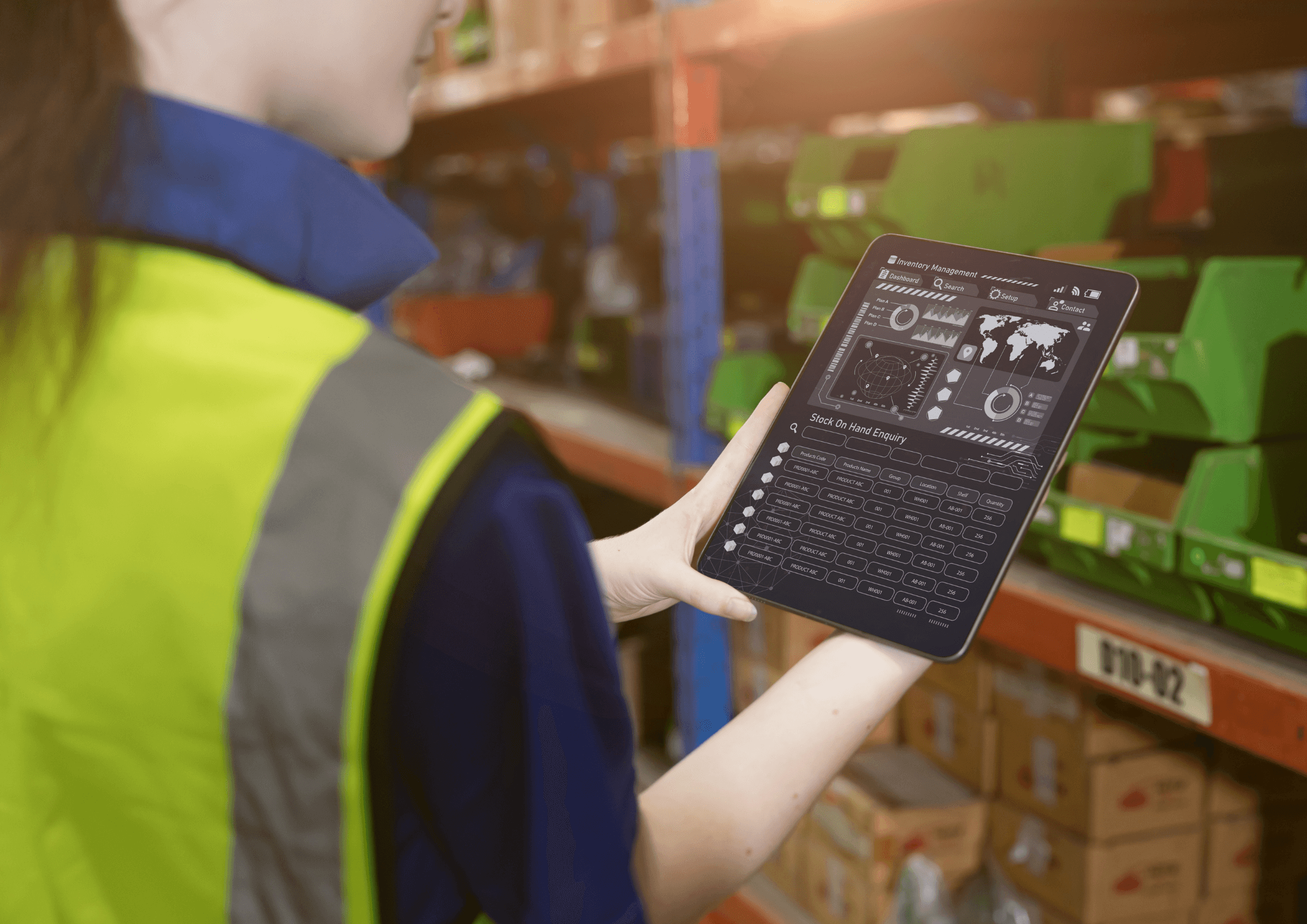
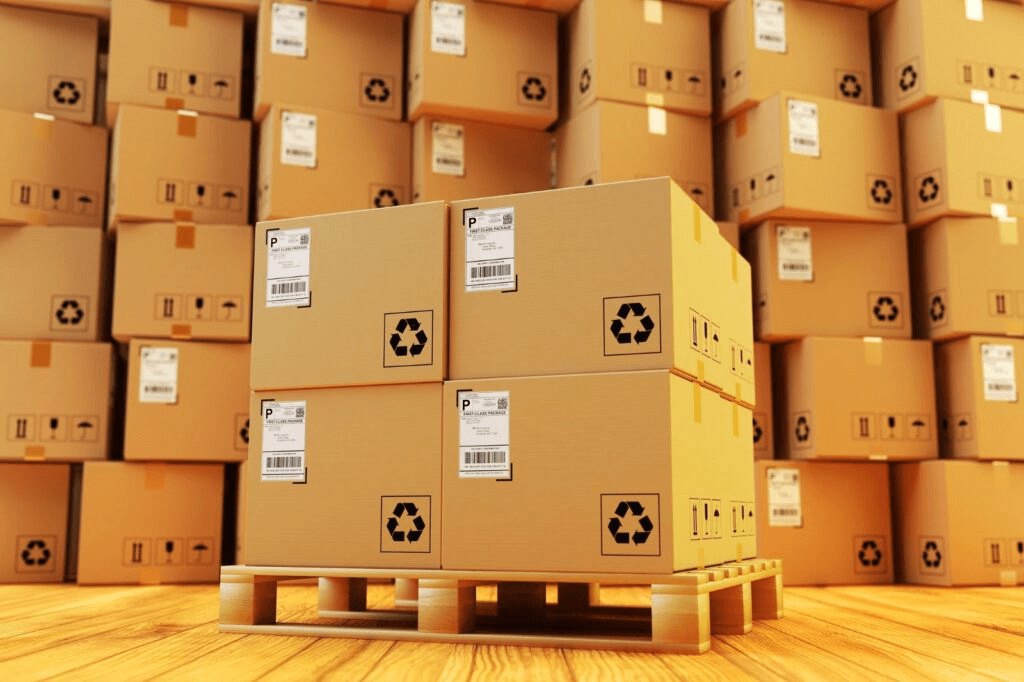
The On-Demand Warehousing Model also provides companies seeking and providing warehouses with flexibility in scale, time, location, features, and duration, in a manner similar to what was described above. It provides access to the required warehouse space, for as long as needed, at the exact moment of need, with the desired features and location. With this model, companies needing warehouse space will be able to access warehouse capacity that can meet their maximum demands for the desired duration, type, and location, and will not use it when they do not need it. Warehouse providers, on the other hand, will generate income from their idle space through this method.
The on-demand model helps supply chains increase their ability to adapt to changing and dynamic markets and customer demands.