Summarize this text with AI
Select your preferred tool to create a short summary of the text.
How Is Technology Changing the Supply Chain?
For years, the supply chain was considered a business area with limited strategic value. However, today's business world is undergoing an extraordinary transformation, and the success of companies within this change entirely depends on having a supply chain that is modernized and integrated with other business areas. It is no exaggeration to say that the supply chain holds the most critical position within a business.
Historically, companies were generally vertically integrated, and the supply chain moved in a slow and predictable manner, contributing little to added value. Today, however, companies frequently contract with much more external businesses, purchase and supply products from all over the world, and sometimes even outsource manufacturing itself. At the same time, they are in constant coordination with these external partners and multiple departments within their own companies, such as finance, accounting, and marketing.
The most important drivers of this change in the supply chain are technology and e-commerce retailing. Along with hardware and software costs, the dramatic drop in technology and IT costs, including cloud storage and services, puts pressure on the business models of legacy and stable structures by small and innovative startups.
E-commerce retailing, on the other hand, has vastly changed logistics operations, bringing a new way of thinking to the industry. For e-commerce fulfillment, you need to be able to predict demand accurately and bring inventory closer to customers. This requires warehousing facilities with a wide variety of different characteristics, such as size, services, proximity to population density, and operating times. Today's and tomorrow's distribution networks are key to supporting last-mile delivery, one of the most critical functions in e-commerce.
Such evolving innovations in the supply chain naturally change the warehousing industry to a great extent. Areas where change is observed:
Additive Manufacturing (3-D printing):
With this new technology, logistics service providers will be able to perform physical manufacturing at a distribution center instead of sourcing traditional parts. In this way, additive manufacturing with 3-D printing can lead to a major change in the warehousing sector.
Sharing Economy:
We are now seeing the sharing economy, which we have previously seen in other sectors with startups like Airbnb and Uber, in cargo delivery and warehouse leasing.
Internet of Things (IoT):
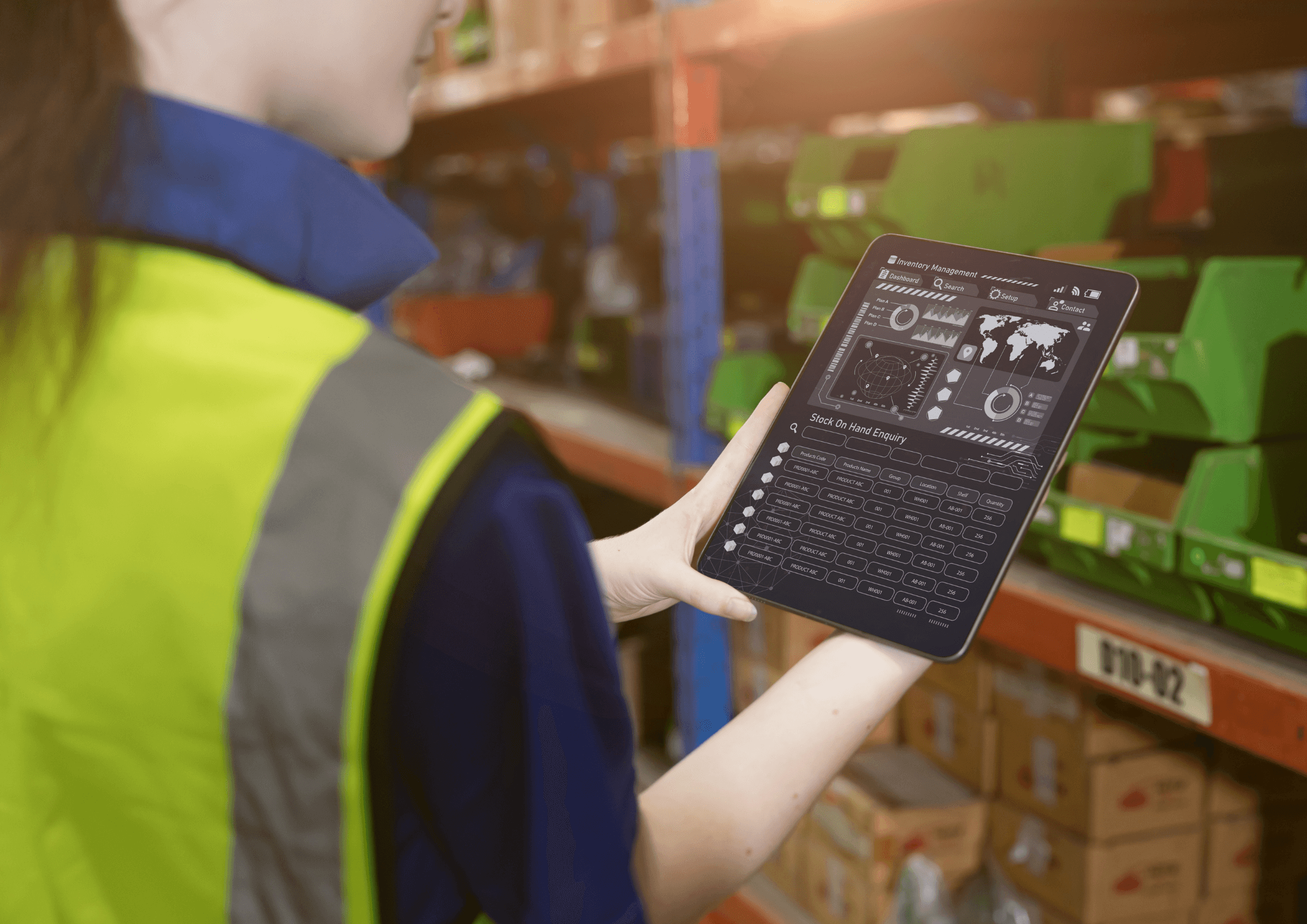
The Internet of Things is the data network that physical objects, namely 'things', establish with each other through electronics embedded within them. Although where it will ultimately lead us is still taking shape, it has provided immense benefits in precise shipment tracking and inventory control in logistics. This translates to a much more efficient supply chain and cost savings.
Mergers and Acquisitions:
New mergers taking place in the logistics sector bring greater efficiency and cost savings.
Robot Technology:
Many people see the development of robot technology as the ultimate game-changer. We will see exactly how it develops, but robotics, which was once expensive and inaccessible, is now becoming widespread. Today, robots guided by navigation systems move around warehouses; at the same time, they pack boxes in the shipping area and help distributors fulfill orders in distribution centers.
Self-Driving Vehicles:
Self-driving vehicles are no longer hypothetical. Today, some manufacturers are selling first-generation autopilot trucks. Benefits include: fewer accidents, lower labor costs.
The changes currently taking place in the supply chain are very impressive. By inventing new ways to transport new things to people and enabling them to buy more conveniently, we are changing the structure of communities in ways we cannot yet define.
Park Palet, Turkey’s first online warehouse marketplace, is becoming a part of the innovative changes in the supply chain by implementing an on-demand warehousing system.