Summarize this text with AI
Select your preferred tool to create a short summary of the text.
Why Do Fulfillment Operations Become More Complex as They Grow?
Fulfillment operations start small for most brands. The volume of orders is limited, the team knows each other, and processes can even be run verbally. At this stage, everything feels "under control." However, as sales volume grows, fulfillment suddenly turns into the brand's most complex operation. What is interesting is that this complexity is usually not sudden, but builds up slowly and unnoticed.
At some point, brands begin to utter this exact sentence:
“We used to keep up, why are we struggling now?”
The answer to this question lies in how fulfillment's nature changes as it scales.
Small Operation Logic Cannot Carry Large Volumes
In the early stages of fulfillment operations, processes are flexible. The same person might pick orders, pack them, and handle the shipping dispatch. This structure works at low volumes; it can even be fast. However, as the number of orders increases, this flexibility turns into uncertainty rather than an advantage.
Undefined job descriptions, gray areas regarding who does what and when, and dependency on individual knowledge create an invisible barrier to growth. The operation continues to run on human reflexes rather than a system. This makes errors and delays inevitable as volume increases.
At this stage, the following issues typically begin to occur:
Order preparation times get longer
The same mistakes repeat themselves
Problems are attempted to be solved through individuals
And as fulfillment scales, it assumes a more fragile structure.
Order Variety Multiplies Complexity
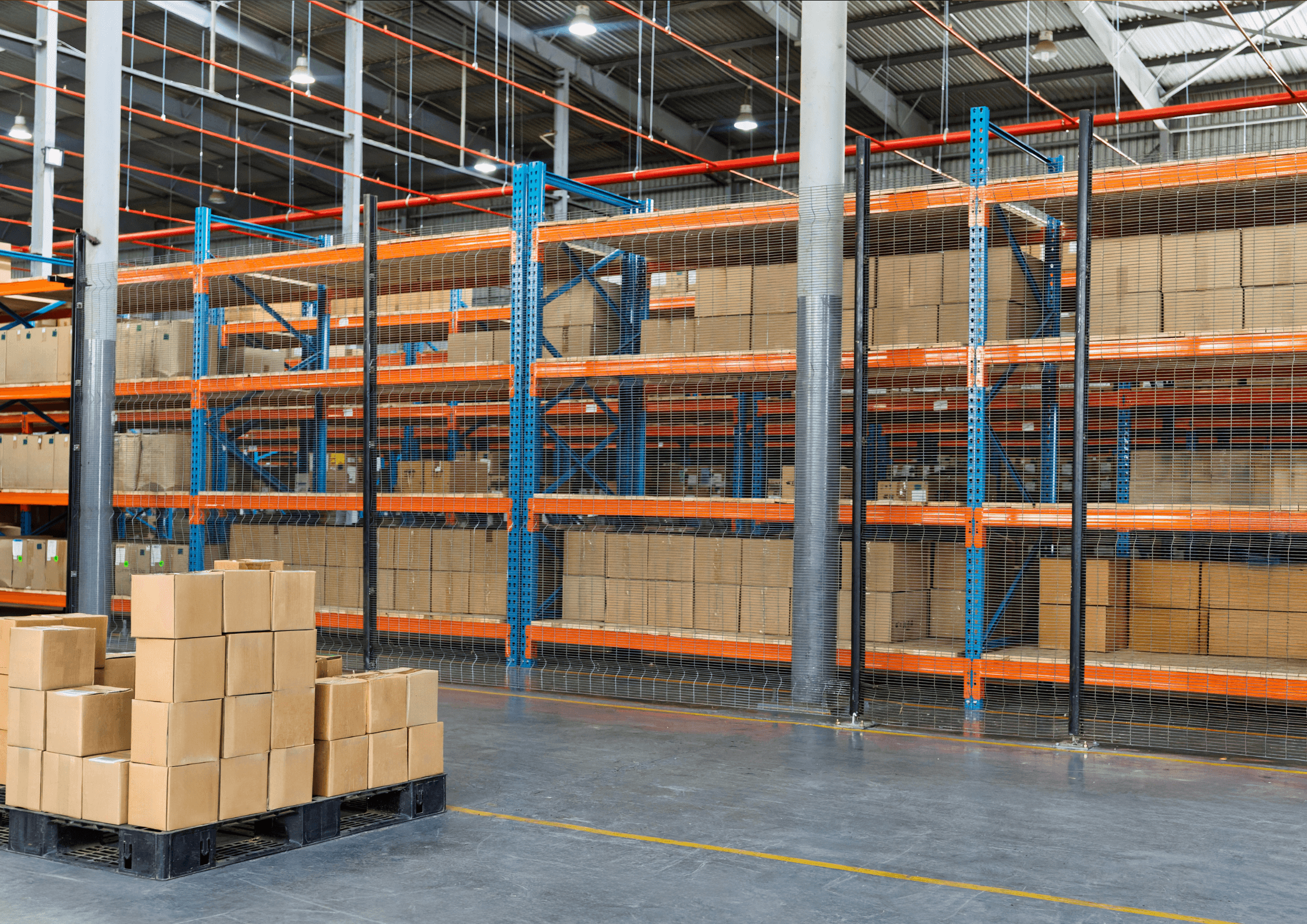
While volume growth alone is challenging enough, when order variety is added into the mix, fulfillment becomes much more complex. Different product dimensions, varying packaging standards, promotional bundles, and personalized shipments put a strain on warehouse workflow.
Every new variation is, in fact, a new decision point added to the operation. If these decision points are not managed with clear rules, the fulfillment process slows down. The operation becomes filled with deviations from the standard flow, and error rates rise.
At this point, complexity usually concentrates in the following areas:
Bundle and promotional products
Different shipping options
Same-day / next-day shipping expectations
Fulfillment has to manage not just "many orders," but many different types of orders.
The Return Process Deepens Complexity
In growing fulfillment operations, returns are usually the last issue to be addressed. Processes designed primarily for sales and outbound shipping struggle when faced with a wave of returns. If there is no dedicated space and flow for return products, the main operation finds it difficult to carry this burden.
Every returned product enters the fulfillment cycle for a second time. This splits the workforce, creates space pressure, and confuses operational priorities. Fulfillment structures that grow without clarifying return processes eventually begin to slow themselves down.
Growth Managed from a Single Center Reaches Its Limit

Many brands grow by managing fulfillment from a single warehouse. However, as order volume and geographical distribution increase, this structure reaches its physical limits. All orders originating from a single hub place intense pressure on that warehouse.
This pressure affects not only in-warehouse processes, but also shipping costs and delivery times. As the fulfillment operation grows, the single-center structure loses its flexibility. At this point, complexity is fed not only by internal processes, but also by geographical distance.
The Way to Deal with Complexity: Expand the System, Not the Burden
Fulfillment operations become complex as they grow; this is inevitable. The critical thing is whether this complexity will be controlled or chaotic. Winning brands manage growth by redesigning the system, not by adding more labor.
The approaches that make a difference at this point are:
Tying the operation to processes, not individuals
Clarifying standard workflows
Handling returns and fulfillment within a single structure
Distributing the operation where necessary
When structured correctly, fulfillment turns into a mechanism that supports growth rather than slowing it down.
Approaching Fulfillment as a Scalable System

ParkPalet designs fulfillment operations as a scalable system from the very beginning. The goal is to generate more control, not more chaos, as order volume increases. Warehousing, order preparation, shipping, and return processes are handled under a single operational intelligence.
This way, as brands grow, their fulfillment operations grow with them—without breaking or bottlenecking.
If Complexity Is Not Managed, Growth Slows Down
The increasing complexity of fulfillment operations is not a problem in itself. The problem is when this complexity cannot be controlled. Brands that successfully sustain growth are those that treat fulfillment not just as an operation, but as a strategic asset.
🚀 ParkPalet Fulfillment Solutions
If your fulfillment operation has started to struggle as it grows:
👉 Discover ParkPalet Fulfillment Solutions
👉 Contact Us for a Scalable Fulfillment Model Tailored to Your Operation
Instead of halting growth, let's make fulfillment fit for growth.