Summarize this text with AI
Select your preferred tool to create a short summary of the text.
Traditional Warehouses and E-Commerce Warehousing Solutions at a Crossroads
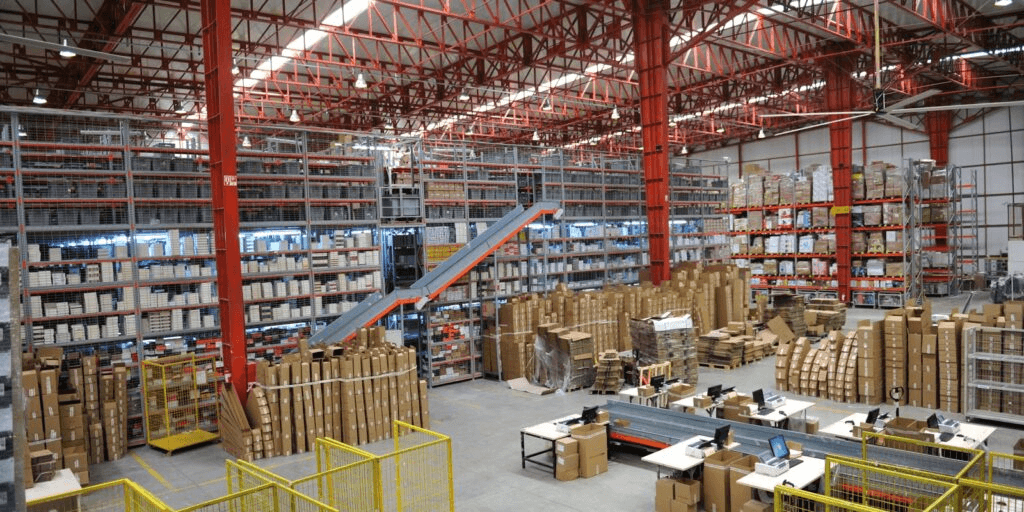
E-commerce logistics, which began in office rooms, home garages, and car trunks, has now left a decade behind. During this period, e-commerce products have reached a capacity that can no longer fit in offices or trunks. Today, tens of thousands of square meters of e-commerce fulfillment centers carry out high-speed, high-capacity operations to meet customer demands.
Growing e-commerce operations in traditional logistics warehouses are forced to part ways with these warehouses day by day due to the capacity reached and differences in the business model.
Since traditional warehouses are designed as long-term supply chain solutions, it is possible to summarize the main tasks of these warehouses as follows;
Ensuring the safe preservation of products coming out of production until their B2B sale
Storing products that are sold in high volumes within its own structure for a certain period of time due to the storage capacity that the customer does not have
Keeping raw materials, semi-finished products, and packaging materials that feed production in stock in a way that does not disrupt production
In case of production disruption due to machine failure, other problems that may occur in the production yard, strikes, force majeure reasons, etc., being able to continue shipment
The design of warehouses offering e-commerce services is basically based on;
Delivering the shopping cart purchased by the customer completely and in the fastest way
Carrying out this operation with minimum stock holding
Feeding these minimum stocks multiple times a day in small batches, carrying out product acceptance
Delivering products to companies offering same-day and next-day delivery solutions at more frequent intervals during the day and producing cut-off alternatives that will increase the delivery time window
Taking back product returns, which can reach up to 20%, at the same speed as goods acceptance, completing control and classification processes, and including them in the operational cycle
Ensuring communication between the customer and the distribution channel in resolving delivery problems
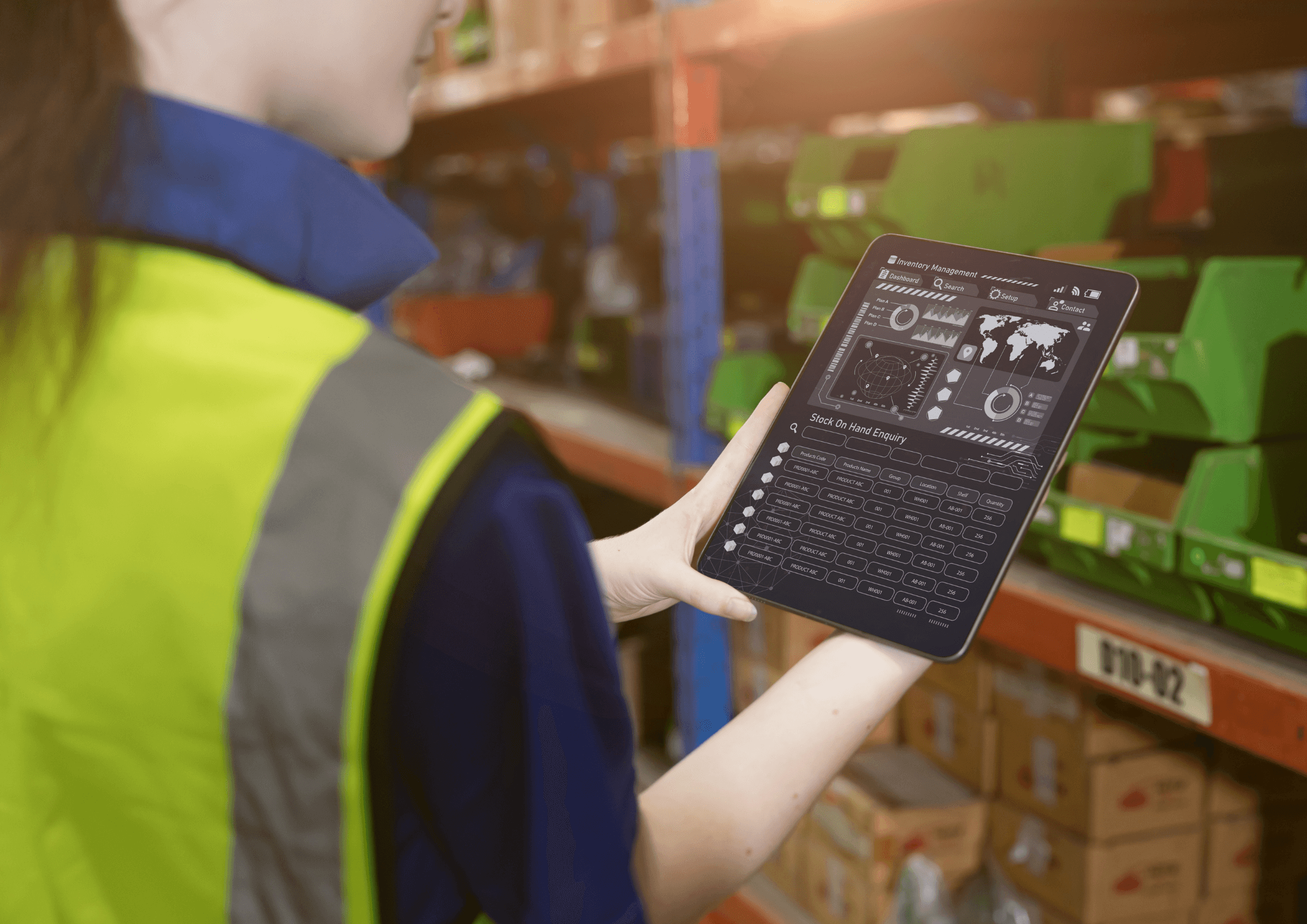
Effectively managing all these processes with warehouse management software in an efficient, measurable, and reportable manner
Traditional warehouses, positioned to meet long-term needs, have an inflexible structure due to B2B design, high investment costs, plant and equipment depreciation, long-term lease, customer, and supplier contracts.
The primary function of traditional warehouses is to store products. The function of an e-commerce fulfillment center, on the other hand, is to effectively fulfill customer expectations regarding shipping.
As the consumer's desire to own the product faster increases, e-commerce centers will continue to diverge from traditional warehouses whose main function is storage.
If your business is e-commerce and you do not want to deal with packaging products, struggling with cargo matters, and managing returns every day, receiving these services from an e-commerce fulfillment center would be an extremely logical choice. This way, you can have more time and energy to focus on growing your business.
Services offered by e-commerce fulfillment centers that you can access through the ParkPalet system;
Goods acceptance
Product picking
Order preparation
Kit creation
Label printing
Invoice printing
Cargo shipments
Stock tracking and responsibility
Managing returns
It is possible to find solutions suitable for all storage needs within the ParkPalet system. Your need could be a traditional warehouse focused on stock or a dynamic e-commerce fulfillment center, in both cases, your address to reach the right warehouse is parkpalet.com.